
In recent years, rising grocery prices have become a common frustration for many families across the United States. According to recent data, the average U.S. household spent about $8,167 on groceries in 2023, representing roughly 7–10% of annual income depending on where you live. Produce and fresh vegetables — essential parts of a healthy diet — can be particularly costly, and many people cite inflation and food prices as key reasons for budgeting stress.
For me, the financial pinch of grocery shopping was the spark that led to a backyard project that has since changed how I eat, spend, and enjoy everyday life.
Why I Started Gardening in the First Place
A few years ago, my family and I were staring at our grocery receipts and wondering how the simplest items — lettuce, tomatoes, herbs — seemed to cost more every time we shopped. With food costs rising and produce prices particularly unpredictable, I decided to try something different: growing some of our own food.
I wasn’t alone. Surveys show that roughly 50% of Americans have grown their own produce over the past year, with one-third of those gardeners reporting monthly grocery savings of $100 or more by growing food at home.
I started small — a few tomatoes, some lettuce, and a handful of herbs — but what began as a money-saving experiment quickly became one of the most rewarding parts of my year.
The Financial Side of Gardening
The beauty of gardening is that even a modest setup can pay off quickly. Most home gardeners spend between $50 and $200 to establish a basic food garden, depending on whether they use containers, raised beds, or direct soil planting. As you learn what grows best for your space and climate, the ongoing costs diminish year after year.
Here’s what that looks like in practice:
| Category | Estimated Cost | Example Savings |
|---|---|---|
| Initial garden setup | $70–$200 | Investment usually recouped within one season |
| Monthly grocery savings | $80+ | Typical savings many home gardeners report |
| Annual produce value | $250–$600 | Value of fruits and veggies harvested |
| Produce from 1 sq ft | 1.2+ lb (avg yield) | Worth several dollars per square foot |
For many gardeners, those numbers translate into real, measurable savings.
What I Grew and How It Helped Our Budget
Here are some of the first plants I took on — and how they helped us save:
🍅 Tomatoes and Summer Veggies
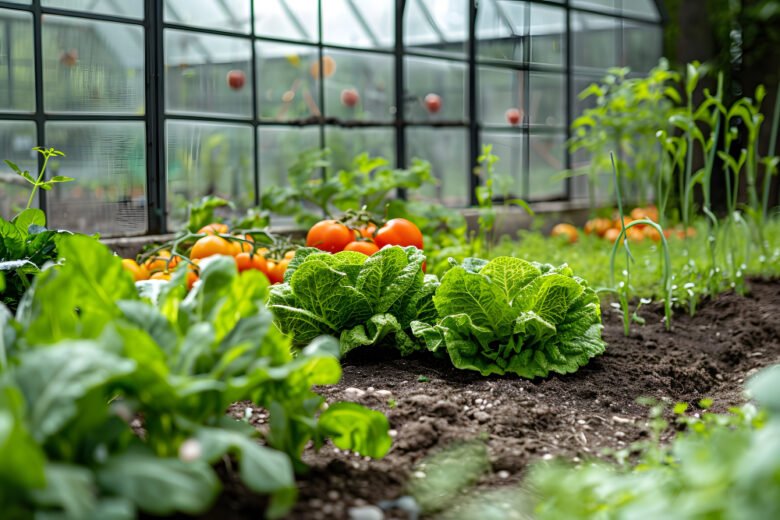
Tomatoes were my first success. A packet of tomato seeds costs only a few dollars, but a plant can yield 8–12 pounds of fruit in a season. I watched those plants produce baskets of juicy tomatoes that would have cost well over $30–$40 at the store.
Bell peppers, cucumbers, and zucchini added even more to our meals. What’s more, many of these crops thrive with minimal fertilizer and only average watering — so ongoing costs stayed low.
🌿 Herbs That Keep Giving
Herbs were perhaps the biggest surprise. A single basil or parsley plant can last all season and replace dozens of store-bought herb bundles, which often cost $2–$3 each. At one point, my basil alone saved us an estimated $40–$60 over the summer compared with buying fresh bunches weekly. This matches broader reports that gardener savings often exceed $80 per month when herbs and veggies are combined.
🥬 Greens and Continuous Harvest
Greens like lettuce and spinach — especially in “cut and come again” varieties — provided weekly harvests. Instead of buying fresh greens constantly, we picked what we needed from the garden. The cumulative savings from these greens alone likely amounted to $60–$100 across their season.
Real Life Example: How It Added Up
One fall, I kept track of our garden harvest and grocery impact. Over a single summer season:
-
Tomatoes: ~30 pounds (store value ~ $90)
-
Peppers: ~20 pieces (~ $30)
-
Herbs: Frequent harvesting (~ $50)
-
Greens: Multiple salads weekly (~ $70)
That’s roughly $240 worth of garden produce that would have otherwise come from the grocery store — and this was from a garden space equivalent to just a few raised beds.
Less Obvious Wins: Health and Community
Aside from dollars saved, gardening added a deeper sense of satisfaction and well-being to our lives. The simple act of tending soil, watching plants grow, and harvesting every morning or evening became a calming ritual, strengthening our family time.
Research also notes that financial motivation is a top reason Americans start gardening — but health and stress relief often become powerful benefits too. Many gardeners report improved mental and physical health since starting their gardens, which is itself a form of savings in reduced healthcare costs and better lifestyle habits.
Gardening Tips for Success
If you want to grow more and spend less, here are the practical lessons I learned:
-
Start small: You don’t need acres — even containers or small raised beds can yield significant produce.
-
Grow what you eat: Focus on crops your family uses often.
-
Save seeds: Many plants allow you to save seeds for the next season.
-
Compost kitchen scraps: Reduce soil costs and create natural fertilizer.
My Personal Garden Savings Tracker
Season: Spring–Summer
Garden size: 3 raised beds (4×8 ft each)
Location: Suburban backyard, Midwest U.S.
| Item Harvested | Quantity | Store Price Equivalent | Money Saved |
|---|---|---|---|
| 🍅 Tomatoes | 30 lbs | $3.50 per lb = $105 | $105 |
| 🫑 Bell peppers | 18 peppers | $1.50 each = $27 | $27 |
| 🥬 Leafy greens (lettuce & spinach) | Weekly harvest (12 weeks) | $5 per week = $60 | $60 |
| 🌿 Fresh herbs (basil, parsley) | Season-long supply | ~$3 per bunch (15 bunches) = $45 | $45 |
| 🥒 Cucumbers | 12 cucumbers | $1.25 each = $15 | $15 |
Total seasonal savings: $252
Lessons learned:
Starting small kept costs manageable and reduced waste. Herbs and leafy greens provided the fastest return on investment. Consistent watering and harvesting increased yields more than adding fertilizers.
What to plant next year:
🍅 More tomatoes, 🌿 additional herb varieties, 🥒 zucchini, 🧅 green onions, and 🍓 strawberries for higher long-term savings.
Home Gardening: More Than Just Savings
Home gardening isn’t just about stretching your grocery budget — it’s about enriching your life. The satisfaction of growing your own healthy food, sharing fresh meals with family and friends, and simply being outdoors has made gardening far more valuable than the few dollars it saved on any single trip to the store.
For us, from soil to savings became more than a phrase — it became a lifestyle. And if you’re willing to dig in, it could become part of your story too.
Disclaimer:
The information provided on MyAmericanSavings.us is for educational purposes only and should not be construed as financial, investment, or legal advice. Please consult with a licensed professional before making any financial decisions.