
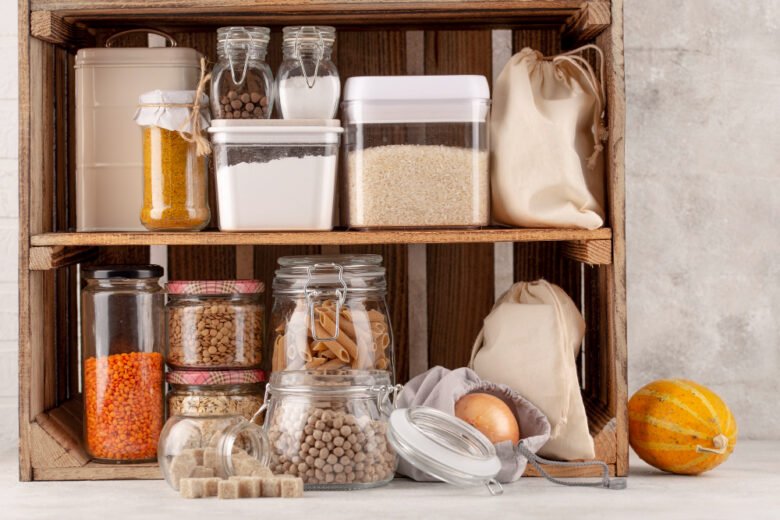
According to the U.S. Bureau of Labor Statistics, the average American household spends over $5,000 per year on food at home, making groceries one of the largest recurring monthly expenses. Meanwhile, data from the U.S. Department of Agriculture shows that food prices have increased significantly in recent years, putting added …
 Daniel Desilva
Stop Buying in Bulk If You Live Alone (Here’s Why)
Key Points Bulk doesn’t always mean savings: If you can’t use everything, the “cheaper” deal turns into wasted money. Single households waste more: Buying large quantities often leads to expired or unused items, especially perishables. Smart shopping beats bulk buying: Smaller, intentional purchases help you save more and reduce waste. …
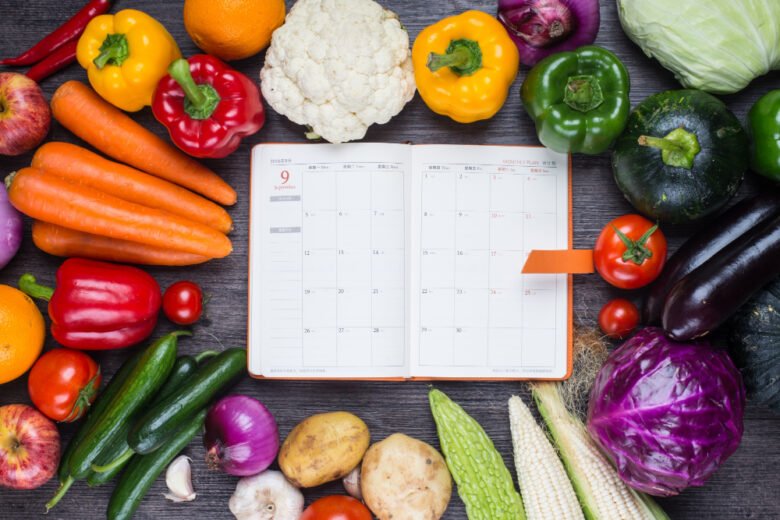
The $50 Weekly Grocery Challenge: A Family-of-Four Meal Plan
Key Points Strategy Over Luck: Success depends on a “Strict Inventory First” approach—using what you already have to supplement a $50 list of versatile, raw ingredients rather than expensive pre-packaged kits. The Power of “Anchor” Ingredients: Low-cost, high-volume staples like cabbage, potatoes, and lentils act as nutritional foundations that can …

Broke but Hungry? 20 Cheap Foods That Stretch Every Dollar
Key Points Focus on Cost Per Serving, Not Just Price – Staples like rice, beans, oats, and eggs provide multiple meals for just a few dollars, making them far more budget-friendly than processed convenience foods. Choose Versatile, Long-Lasting Foods – Items with a long shelf life (frozen vegetables, dried beans, …
 My American Savings Writers' Room
Love Eating Out? Here’s How to Do It Without Overspending
Dining out is one of life’s simple pleasures. Whether it’s meeting friends for brunch, grabbing a quick lunch during a busy week, or enjoying a weekend dinner, restaurant meals are convenient and enjoyable. However, they can quietly become one of the largest discretionary expenses in many households. According to data …

Store Brand vs. Name Brand: Are You Paying for Quality or Just the Label?
When you walk down the grocery aisle, you’re often confronted with two prices for the same product — the familiar name brand you know and a cheaper store brand or private label version. But is that lower price just a bargain… or a sacrifice in quality? According to industry research …
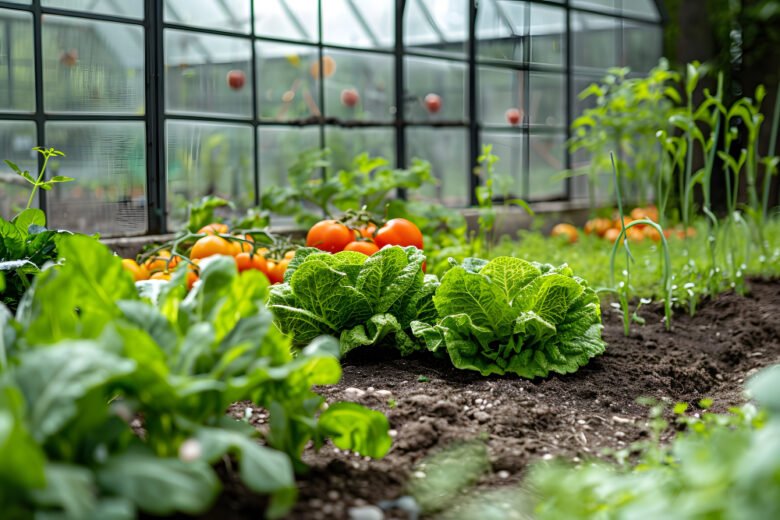
From Soil to Savings: How Home Gardening Cut My Costs and Added Joy
In recent years, rising grocery prices have become a common frustration for many families across the United States. According to recent data, the average U.S. household spent about $8,167 on groceries in 2023, representing roughly 7–10% of annual income depending on where you live. Produce and fresh vegetables — essential …

How Raising Chickens Saved Me Money Over Time
When I first considered raising chickens, I thought it was just a hobby for rural homesteads. But after some research, I realized that keeping a small flock in my backyard could actually save me money, improve my food quality, and even offer a little extra income. It did require some …
 Harvey Levi
Wellness Without the Price Tag: How I Improved My Health Without Spending More
For a long time, I believed wellness was something you had to buy. Everywhere I looked, self-care seemed to come with a price—gym memberships, supplements, skincare routines, wellness apps, and perfectly curated lifestyles. I wanted to feel healthier, calmer, and more balanced, but I didn’t want to add financial stress …
 Jessica the Saver
A Smart Gardener’s Guide to Growing More for Less
Gardening doesn’t have to drain your wallet to fill your plate. In fact, some of the most productive gardens are built on creativity, patience, and a little know-how—not expensive tools or fancy plants. Whether you’re growing herbs on a balcony or vegetables in a backyard plot, budget gardening is about …