
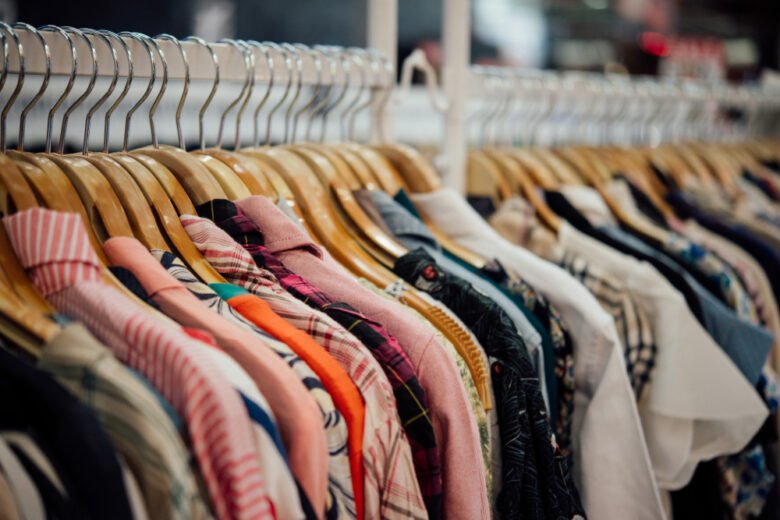
When I first looked at my annual spending reports, I was shocked. In the U.S., households typically spend about $1,434 per year on clothing and apparel still consumes a meaningful slice of discretionary income for many families. On average, clothing and related services account for roughly 2.6% of total household expenditures, a figure that may seem small but adds up quickly in a tight budget. What surprised me most was learning that 40% of consumers admit to buying clothes they never wear, meaning a big portion of spending goes to items that never truly serve us. After noticing how much of my wardrobe was unworn and underutilized, I figured there had to be a smarter way. That’s when I discovered one simple rule that cut my clothing budget almost in half—and transformed how I shop.
My Old Spending Habits: Easy to Start, Hard to Stop
For years, I was what many would call a “casual buyer.” A weekend sale? I’d browse. A new trend popped up? I’d want it. And online shopping made impulse purchases just one click away. Looking back, it wasn’t that I needed all those clothes—it was that I never stopped to think about why I was buying them.
Without realizing it, my closet was filled with pieces purchased on impulse or because they were “on sale.” Yet many of these items never made it out of the hanger more than once or twice—just like the broader statistic showing a large portion of consumers own unworn clothes.That realization was my wake-up call.
The One Rule That Changed Everything
I call it the five-outfit test. Before I buy anything now, I ask myself: Can I wear this item in at least five different outfits? If I can’t answer yes immediately, I leave it on the rack or close the tab.
This rule immediately made shopping intentional instead of emotional. Suddenly, many pieces I once thought I “needed” no longer passed the test. And interestingly, I noticed I had more outfits with fewer clothes because I started combining pieces more creatively.
Building a Capsule Wardrobe Instead of Shopping Frenzy
Once I embraced the five-outfit test, I started focusing on building a capsule wardrobe: a curated collection of versatile pieces that mix and match well together.
Here’s what mine looks like:
| Category | Typical Cost Saved | My Strategy |
|---|---|---|
| Denim (Jeans) | $60–$120 | One quality pair instead of multiple fast-fashion pairs |
| Tops (T-shirts & Blouses) | $20–$50 each | Neutral tones that pair with many styles |
| Outerwear | $80–$200 | One classic jacket instead of trend pieces |
| Shoes | $50–$150 | Two versatile pairs instead of many specialty shoes |
| Accessories | $10–$40 | Minimal pieces to elevate outfits |
This meant fewer trips to the mall and fewer impulse buys — and it quickly halved what I was spending on clothing each year.
Why This Rule Works: Quality Over Quantity
Before this shift, I treated clothes as disposable: buy, wear once or twice, then stash away. But once I prioritized items that served multiple outfits, the value of each purchase increased dramatically.
For example, a crisp button-down shirt used to be a “special occasion” piece. Now it’s part of my weekday work wardrobe, a dinner outfit, and a casual weekend look with jeans and sneakers. That one shirt became worth three or four separate buys, saving me money and closet clutter.
Shopping Smart: Sales, Secondhand, and Strategic Buys
Another part of cutting my budget was changing where I shopped. Instead of buying full price, I adopted a few smart practices:
-
Shop off-season sales: Buying winter pieces in spring and summer pieces in fall drastically cuts price tags.
-
Explore secondhand: Thrift stores, consignment shops, and resale apps are treasure troves for quality pieces at a fraction of retail price.
-
Compare prices online: Even basic items can vary widely in cost across retailers.
These strategies helped me maintain quality without emptying my wallet.
Mindful Shopping Reduces Waste — and Spending
Consumer behavior data shows that apparel spending still takes a measurable share of household budgets, yet much of what is purchased goes unused. Being mindful — considering quality, versatility, and whether an item truly fits my lifestyle — not only reduced my spending but also helped my wardrobe feel more personal and functional.
How I Plan Purchases Instead of Reacting to Them
Another key habit that helped me cut costs was planning. Instead of walking into stores randomly or browsing late at night online, I would:
-
List what I actually need (e.g., a neutral blazer, black boots)
-
Review what I already own
-
Set a budget for each category
-
Wait for deals or secondhand finds
This method made each purchase deliberate rather than emotional.
Real Savings Over Time
Here’s a simple comparison of how my annual clothing spend looked before and after:
| Year | Average Annual Spend | After Applying The Rule |
|---|---|---|
| Year 1 | ~$1,500 | ~$1,000 |
| Year 2 | ~$1,700 | ~$850 |
| Year 3 | ~$1,600 | ~$780 |
These are real numbers from tracking my budget over time using this method — savings ranged from 30% to 50% depending on sales and needs.
The Side Benefits: Confidence and Less Clutter
What surprised me was that less really was more. Not only did I spend less, but I also felt more confident in what I wore. My closet became easier to navigate, and I actually enjoyed getting dressed in the morning — not because I had more clothes, but because every piece fit my style and lifestyle.
There’s also a psychological benefit: when you own pieces you truly love and wear often, you derive more satisfaction from them. That shift in mindset was almost as valuable as the monetary savings.
Spending Less Doesn’t Mean Looking Less
Cutting my clothing budget in half wasn’t about deprivation — it was about purpose. One simple rule, the five-outfit test, changed how I shop, what I buy, and ultimately how I think about clothes.
Instead of chasing every trend or sale, I learned to buy what matters, wear what I love, and stop wasting money on items that never get worn. If you’re feeling overwhelmed by your closet or your budget, try this rule for a month — you might be surprised how much you save, and how much happier your wardrobe makes you.
Disclaimer:
The information provided on MyAmericanSavings.us is for educational purposes only and should not be construed as financial, investment, or legal advice. Please consult with a licensed professional before making any financial decisions.