
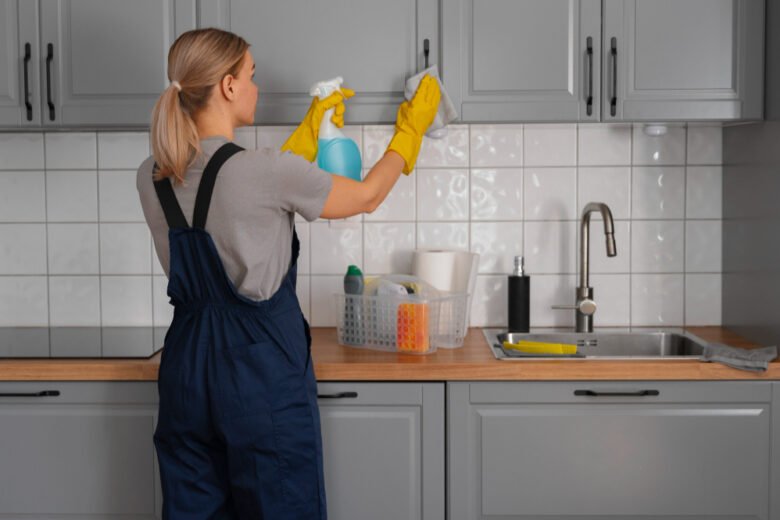
Keeping a clean home brings peace of mind — but it can also quietly drain your budget if you’re not careful. In the United States, the average household spends hundreds of dollars a year on cleaning supplies alone: many families spend roughly $40–$50 per month on cleaning products, which adds up to about $600 a year on basic supplies like detergents, wipes, and surface cleaners. Additionally, broader expenditure data shows that American households spend an average of around $818 per year on housekeeping supplies, including a range of cleaning and maintenance items. When you combine this with occasional deep cleaning tools or services, the total can easily climb — and most people don’t even realize how much they’re spending until they track it.
However, maintaining a clean home doesn’t have to be expensive. With a few intentional changes to the way you clean, what you buy, and how often you do laundry and surface cleaning, you can drastically reduce those costs — without sacrificing hygiene or comfort. Here’s how I learned to clean smarter and save big, with real-life examples you can apply at home.

1. Use Multipurpose Cleaners Instead of Single-Use Products
One of the easiest ways to cut costs is to stop buying a different product for every surface. Many multipurpose cleaners work well on countertops, appliances, and bathroom surfaces alike.
My Experience:
Instead of buying separate surface spray, bathroom cleaner, and kitchen degreaser, I started using one high-quality multipurpose cleaner. In the first month alone, I saved $15–$20 compared to purchasing three different specialty products.
👉 Buying multipurpose products reduces the number of bottles on your shelf and cuts spending on unnecessary single-use cleaners.
2. Make DIY Cleaning Solutions With Everyday Ingredients
You don’t always need expensive commercial products — often items you already have at home can do the job just as well.
My Experience:
I began mixing my own all-purpose cleaner using equal parts white vinegar and water, plus a few drops of essential oil for scent. For tough grime, a paste of baking soda and water worked wonders. This simple switch cut my cleaning product spending in half — roughly $30–$40 saved per month — and I still had spotless surfaces.
👉 A Reddit user shared a similar trick, noting they replaced store-bought chemicals with vinegar and baking soda and cut their monthly spend on cleaners from $30–$40 to nearly zero.
3. Buy in Bulk and Stock Up During Sales
Cleaning supplies often go on sale at grocery stores or big-box retailers. Buying in bulk when prices drop ensures you have what you need without paying full price every month.
My Experience:
I bought a 12-pack of disinfectant wipes for the price of eight during a seasonal sale — saving about $10–$15 compared with regular purchases. Buying larger sizes of dish soap and laundry detergent at warehouse stores also cut down refill costs over time.
👉 Buying in bulk significantly lowers the per-unit cost of supplies — but only if you actually use them before they expire or lose effectiveness.
4. Use Reusable Tools Instead of Disposable Ones
Disposable wipes, paper towels, and single-use scrubbers add up quickly over time. A small investment in reusable tools can make a big difference.
My Experience:
I swapped paper towels for microfiber cloths — washable and reusable dozens of times. I bought six cloths for around $10, and they replaced hundreds of dollars’ worth of paper products over the year.
👉 Microfiber cloths are more effective at trapping dust and dirt than paper towels and last much longer.
5. Clean as You Go to Avoid Deep Cleaning Costs
A little daily effort can prevent dirt from building up into big, hard-to-clean messes that require more products and more time.
My Experience:
Instead of waiting for weekend cleaning marathons, I started wiping kitchen counters and bathroom surfaces right after use. This reduced my need for heavy-duty cleaners and cut my weekly cleaning time nearly in half, saving on both supplies and effort.
👉 Small, consistent habits like wiping spills immediately or sweeping high-traffic areas reduce the need for intensive cleaning and expensive products later.
6. Declutter Regularly to Make Cleaning Faster and Cheaper
A cluttered home doesn’t just look messy — it also costs more to clean because it takes longer and requires more products to reach hidden nooks.
My Experience:
I spent a weekend decluttering closets and surfaces. Not only did this make future cleaning easier, but I realized I didn’t need special cleaners for items that stayed covered in dust simply because clutter attracted it. My monthly supply usage dropped noticeably as a result.
👉 A clutter-free home is easier to clean and naturally stays cleaner longer.
7. Prioritize Preventive Practices
Preventing messes in the first place saves both time and money. Simple habits like using doormats, removing shoes at the door, or using coasters can prevent stains and buildup.
My Experience:
After noticing dirt tracked in from outside, I started placing rugs at entry points and encouraged family members to leave shoes by the door. After just a couple of weeks, the floors stayed cleaner between deep cleanings, meaning fewer cleaning products and less time spent scrubbing.
👉 Preventive measures like mats and quick daily touch-ups reduce the frequency and intensity of heavy cleaning sessions.
8. Compare Prices and Use Coupons
Smart shopping is not just about bulk buying — it’s also about comparing prices and using coupons where possible. Taking a few minutes to compare prices across stores or online can reveal big differences for the same product. I also used digital coupons and cashback apps, which helped me save an extra $5–$15 per month on cleaning supplies I already planned to buy.
My Experience:
I set price alerts on cleaning products I used most often and combined those alerts with store coupons and cashback offers. This approach saved me about $50+ over a few months on products I would’ve bought anyway.
👉 Taking a few extra minutes to compare prices and clip coupons can add up to significant savings over a year.
My Takeaway
Keeping your home clean doesn’t mean spending more. By adopting smarter habits — like using multipurpose and DIY cleaners, buying in bulk, choosing reusable tools, and preventing messes before they happen — you can maintain a spotless home without overspending. It’s about working smarter, not harder, and making intentional choices that save both time and money.
Whether you’re reducing clutter to make cleaning easier, swapping disposables for reusable cloths, or using basic ingredients you already have in your pantry, every little change adds up. With a cleaner home and a lighter cleaning budget, you’ll have more money and more time to enjoy the things that truly matter.