
Key Points Your money personality reflects your daily financial habits, including how you save, spend, and plan for the future. Identifying your financial behavior helps you understand your strengths and areas where you can improve. Small changes based on your money personality can lead to better budgeting, saving, and long-term …

 My American Savings Writers' Room
Got Wandering Feet? 10 Clever Vacation Savings Hacks You’ve Never Tried
Key Points Hack Your Logistics: Save hundreds by booking split one-way tickets through cheaper hubs and using repositioning cruises as low-cost, all-inclusive transport. Unlock Local Pricing: Use a VPN to access destination-specific rates and buy local digital coupons before you leave to slash activity costs by half. Choose Experiences over …

Disability Planning for Millennials: Start Before It’s Too Late
When you’re in your 20s or 30s, the word “disability” usually feels like something that happens to other people—or at least something that won’t happen until you’re much older. We focus on our side hustles, our 401(k) contributions, and maybe finally saving enough for a down payment. But here is …

Is Your Home Costing You Too Much? Find Out Now
Key Points Many homeowners overspend due to hidden costs like utilities, subscriptions, and maintenance that go unnoticed. Regularly tracking expenses and reviewing bills can help identify areas where you can cut costs and save money. Small changes in habits and smarter financial decisions can significantly reduce your overall household expenses. …

Hidden Expenses in Your Home (And How to Cut Them)
Key Points Hidden home costs such as maintenance, utilities, insurance, and property taxes can add up to thousands of dollars each year if they are not planned for. Tracking your household spending and using budgeting tools can help you identify unnecessary expenses and manage your home finances more effectively. Simple …
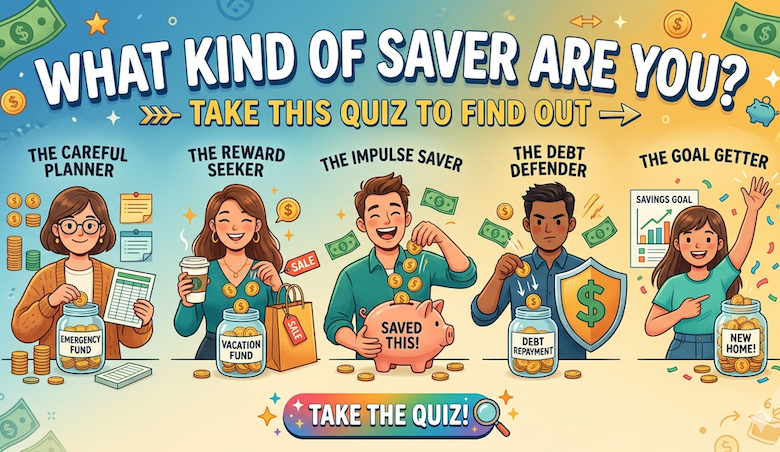
What Kind of Saver Are You? Take This Quiz to Find Out
Take This Quiz Learn How to Improve Your Savings – Get personalized tips to build better financial habits based on your quiz results. Warning signs include impulse purchases, rising debt, and hiding spending habits, which can lead to serious financial problems. Fun and Interactive – Take a quick, engaging quiz …

New Puppy, New Budget: A First-Year Financial Checklist for Pet Owners
Key Points Expect High Startup Costs: The first year is the most expensive, often exceeding $1,500–$4,500 due to essential “setup” gear and one-time medical procedures like vaccinations and neutering. Plan for Emergencies: With 1 in 3 pets needing emergency care annually, you must choose between a monthly pet insurance premium …

9 Signs You Have a Shopping Addiction (And What to Do About It)
Key Points Shopping addiction often starts with emotional spending, where people buy things to cope with stress, boredom, or sadness. Warning signs include impulse purchases, rising debt, and hiding spending habits, which can lead to serious financial problems. Breaking the cycle requires awareness, spending limits, and healthier coping habits to …

Is Buy Now, Pay Later Safe? 10 Risks You Should Know
Key Points The Psychological Friction Gap: BNPL exploits a cognitive bias by breaking large costs into small, “painless” chunks, which bypasses your brain’s natural resistance to overspending and leads to “payment creep.” Regulatory “No Man’s Land”: Unlike credit cards, BNPL services often lack federal consumer protections, meaning you have fewer …

The Biggest Mistakes Parents Make When Saving for College
Key Points Starting late can significantly increase the financial burden. Early savings benefit from long-term compound growth. Ignoring tax-advantaged savings options can reduce potential savings. Accounts like a 529 college savings plan help grow funds efficiently. Underestimating total college costs can derail financial plans. Plan for tuition, housing, books, and …