
Key Points: Plan Before You Purchase – The biggest money mistakes happen when parents buy impulsively. Start with essentials, compare prices, and avoid trendy or unnecessary baby gear. Understand Your Biggest Costs Early – Childcare, healthcare, and feeding are the largest recurring expenses in the first year. Budgeting for these …

 My American Savings Writers' Room
Before You Buy Another Basket, Try These Genius No-Cost Organizing Hacks
Key points Over half of U.S. households sacrifice between 100–500 square feet of living space to rarely used possessions — equivalent to losing an entire spare bedroom’s worth of value to clutter. Studies indicate that clutter in the home is associated with higher levels of cortisol, the body’s primary stress …
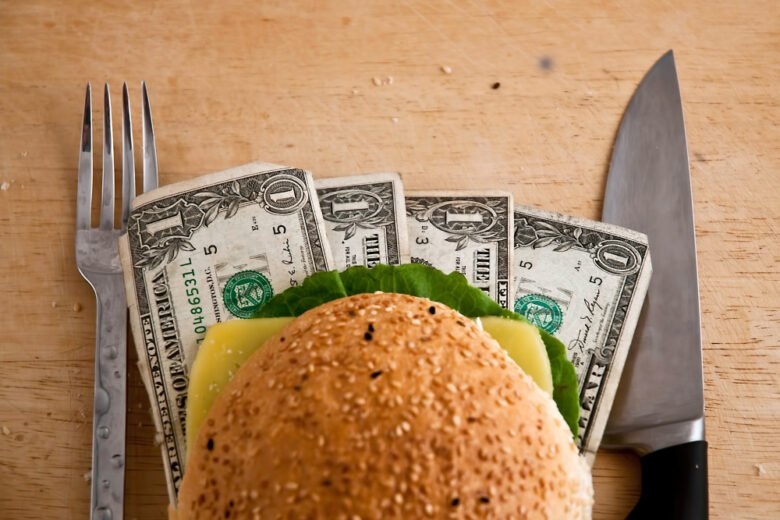
Broke but Hungry? 20 Cheap Foods That Stretch Every Dollar
Key Points Focus on Cost Per Serving, Not Just Price – Staples like rice, beans, oats, and eggs provide multiple meals for just a few dollars, making them far more budget-friendly than processed convenience foods. Choose Versatile, Long-Lasting Foods – Items with a long shelf life (frozen vegetables, dried beans, …

Save Something Every Day: 31 Simple March Money Moves
March isn’t just another month — it’s the perfect time to jump-start your savings, reset your budget, and build stronger financial habits before the busy spring and summer months arrive. In the U.S., consumer spending on dining, entertainment, and travel spikes in the spring, making March an ideal “last calm …

Looking Good for Less: Smart Skincare That Actually Works
Taking good care of your skin shouldn’t mean spending a fortune. In 2025, Americans are part of a thriving skincare culture — but it comes with real costs. According to industry data, U.S. households spend an average of around $492 per year on skincare products alone, and personal care spending …

Love Eating Out? Here’s How to Do It Without Overspending
Dining out is one of life’s simple pleasures. Whether it’s meeting friends for brunch, grabbing a quick lunch during a busy week, or enjoying a weekend dinner, restaurant meals are convenient and enjoyable. However, they can quietly become one of the largest discretionary expenses in many households. According to data …

New Fridge vs. Old Fridge: Which One Saves You More in the Long Run?
Your refrigerator runs 24 hours a day, 365 days a year — more than almost any other appliance in your home. That constant operation means its energy use has a real impact on your electric bill. According to the U.S. Department of Energy, older refrigerators can use 30–40% more energy …

Store Brand vs. Name Brand: Are You Paying for Quality or Just the Label?
When you walk down the grocery aisle, you’re often confronted with two prices for the same product — the familiar name brand you know and a cheaper store brand or private label version. But is that lower price just a bargain… or a sacrifice in quality? According to industry research …

10 Easy Ways to Cut Your Electric Bill This Month (and Save Big)
Electricity costs are a major part of the average household budget — with the typical U.S. residential customer paying around $152–$170 per month for electric service, depending on state and consumption. Monthly bills have been rising in recent years as demand grows and infrastructure costs are passed on to consumers, …

These 10 Pantry Essentials Can Slash Your Grocery Bill
According to the U.S. Bureau of Labor Statistics, the average American household spends over $5,000 per year on food at home, making groceries one of the largest recurring monthly expenses. Meanwhile, data from the U.S. Department of Agriculture shows that food prices have increased significantly in recent years, putting added …