

But here’s what most people overlook: when used responsibly, credit cards can actually help you save money.
In fact, millions of Americans use credit cards strategically to earn cashback, accumulate travel rewards, receive purchase protections, and even build strong credit profiles. The key isn’t avoiding credit cards altogether — it’s learning how to use them wisely.
In this guide, we’ll break down how credit cards can become a money-saving tool instead of a debt burden — and exactly how to maximize their benefits.
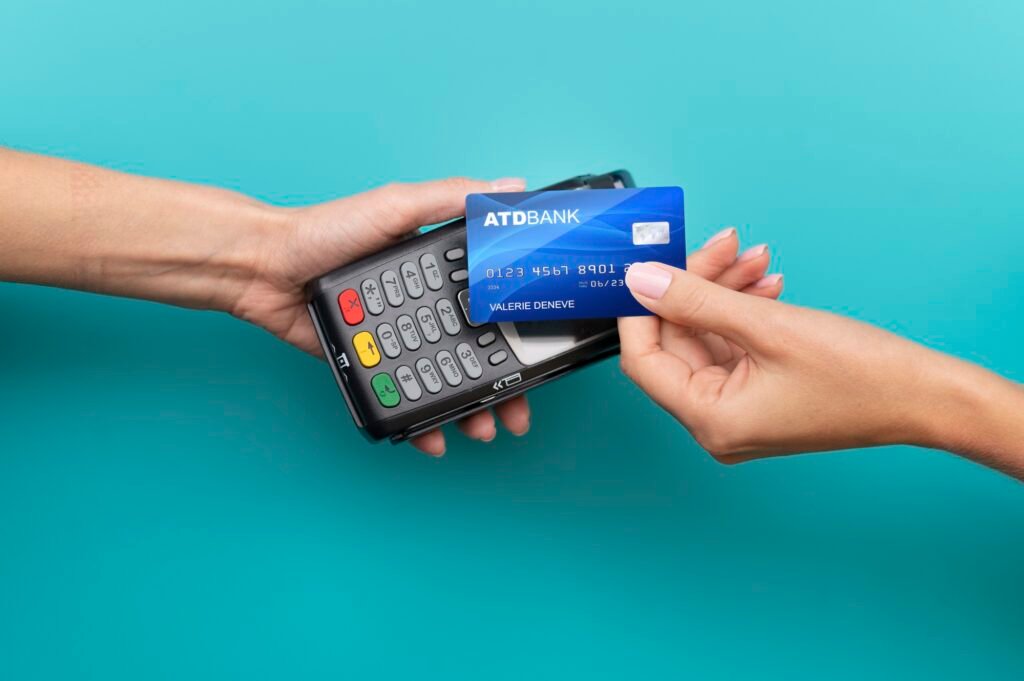
✅ The Benefits of Using Credit Cards
Before diving into strategies, let’s look at why credit cards can be financially beneficial when managed correctly.
| 💡 Benefit | 📝 What It Means | 💰 How It Helps You |
|---|---|---|
| 🛒 Convenience | Widely accepted for online and in-store purchases | Easier budgeting & secure payments |
| 🎁 Rewards Programs | Cashback, points, travel miles | Earn money on everyday spending |
| 🛡️ Purchase Protection | Coverage for lost/damaged items | Reduces financial risk |
| 📈 Credit Building | On-time payments improve score | Better loan rates & approvals |
| ✈️ Travel Perks | Insurance, lounge access | Cuts travel-related expenses |
Used strategically, these features create financial advantages you wouldn’t get from debit cards or cash.
🔐 The Secrets to Using Credit Cards to Save Money
Now let’s break down the real strategies that turn credit cards into savings tools.
1️⃣ Choose a Card That Matches Your Spending Habits
Not all credit cards are created equal. The best card for you depends entirely on how you spend.
If you spend heavily on groceries, look for a card that offers 3–6% cashback on supermarket purchases. If you travel often, a travel rewards card may provide better value through miles and airline perks.
| 🛍️ Spending Type | 💳 Best Card Feature | 💰 Savings Potential |
|---|---|---|
| Groceries | 3–6% cashback | $200–$400/year |
| Gas | 2–5% cashback | $100–$250/year |
| Travel | Airline miles | Free flights |
| Dining | Bonus restaurant rewards | Monthly cashback |
Choosing randomly based on flashy ads often leads to missed opportunities.
2️⃣ Use Your Card for Everyday Essentials
The simplest way to earn rewards is by using your credit card for regular expenses:
-
Groceries
-
Gas
-
Utility bills
-
Streaming subscriptions
-
Insurance payments
Instead of letting those purchases earn nothing, let them generate rewards.
However, this only works if you pay your balance in full every month (more on that below).
3️⃣ Always Pay Your Balance in Full
This is the golden rule.
Credit card interest rates often exceed 20%. If you carry a balance, interest charges can wipe out any rewards earned.
Example:
| 💳 Monthly Spend | 🎁 2% Cashback | 📉 Interest at 20% APR |
|---|---|---|
| $1,000 | $20 reward | $200+ yearly interest if unpaid |
Paying in full each month means:
✔ No interest
✔ No debt accumulation
✔ Maximum reward value
Without this habit, credit cards stop being savings tools.
4️⃣ Take Advantage of 0% Introductory APR Offers
Some cards offer 0% interest for 12–18 months on purchases or balance transfers.
This can be powerful if:
-
You’re paying off high-interest debt
-
You need to finance a large purchase responsibly
-
You have a clear payoff plan
⚠️ Important: Once the intro period ends, standard interest rates apply. Always know the timeline.
5️⃣ Maximize Built-In Benefits
Many people ignore valuable credit card protections.
| 🛡️ Benefit | 💡 How It Saves Money |
|---|---|
| Purchase Protection | Reimbursement if item is damaged or stolen |
| Extended Warranty | Adds extra warranty beyond manufacturer |
| Travel Insurance | Covers trip cancellations or delays |
| Rental Car Insurance | Avoid costly rental agency coverage |
These protections can prevent unexpected out-of-pocket costs.
6️⃣ Monitor Statements & Rewards Regularly
Reviewing your credit card statement monthly helps you:
✔ Catch fraud early
✔ Identify spending patterns
✔ Avoid unnecessary fees
✔ Track rewards accumulation
Financial awareness is one of the strongest money-saving habits you can develop.
7️⃣ Use Sign-Up Bonuses Strategically
Many credit cards offer generous welcome bonuses — sometimes worth $200 to $800 in rewards.
However, they usually require meeting a minimum spending requirement within a few months.
Before applying, ask:
-
Would I naturally spend this amount anyway?
-
Can I meet the requirement without overspending?
If yes, the bonus is essentially “extra money” for purchases you were already planning.
8️⃣ Redeem Rewards Wisely
Rewards only create value if you use them effectively.
| 🎁 Redemption Type | 💰 Best Value? |
|---|---|
| Statement Credit | Simple & flexible |
| Direct Deposit | High value |
| Travel Booking | Often highest point value |
| Gift Cards | Moderate value |
| Merchandise | Often lowest value |
Cashback and travel redemptions typically provide the strongest return.
9️⃣ Avoid Impulse Purchases
One of the biggest risks with credit cards is psychological — spending feels easier when you’re not physically handing over cash.
To prevent impulse buying:
-
Wait 24 hours before large purchases
-
Set spending alerts
-
Stick to a monthly budget
Using a credit card doesn’t mean increasing your spending — it means optimizing spending you already planned.
🔟 Consider Low-Interest Cards If You Carry a Balance
Ideally, balances should always be paid off monthly. But if you must carry a balance temporarily, choosing a card with a lower APR can reduce interest costs.
| 💳 APR | 📉 Interest on $2,000 Balance |
|---|---|
| 22% | ~$440/year |
| 15% | ~$300/year |
Lower interest means less financial strain while paying down debt.
⚖️ When Credit Cards Can Backfire
Credit cards become harmful when:
❌ Minimum payments are made long term
❌ Spending increases beyond income
❌ Fees accumulate
❌ Multiple cards are opened without a strategy
Financial discipline determines whether credit cards help or hurt.
🧠 Smart Credit Card Habits Checklist
Use this checklist to stay on track:
✔ Pay balance in full every month
✔ Keep utilization below 30%
✔ Use rewards strategically
✔ Monitor statements
✔ Avoid unnecessary annual fees
✔ Never miss a payment
When these habits are consistent, credit cards can support long-term financial growth.
🎯 Credit Cards Are Tools – Use Wisley
Credit cards are not inherently good or bad — they are tools.
When used carelessly, they can create debt and stress. But when used strategically, they can:
✔ Earn cashback on everyday spending
✔ Provide valuable purchase protections
✔ Help build a strong credit score
✔ Reduce travel costs
✔ Improve financial flexibility
The secret to saving money with credit cards isn’t about spending more — it’s about spending smarter.
If you treat your credit card like a debit card (only spending what you already have), pay your balance in full, and choose rewards aligned with your lifestyle, you can turn plastic into profit.
Used wisely, credit cards aren’t a trap — they’re leverage.