
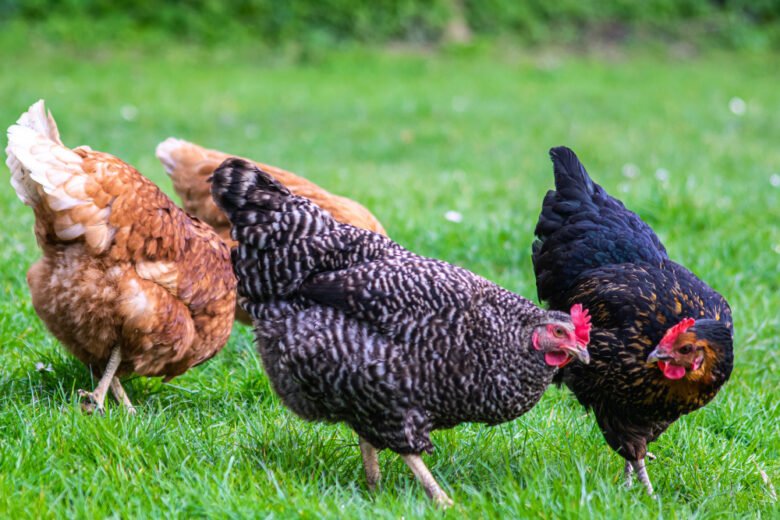
When I first considered raising chickens, I thought it was just a hobby for rural homesteads. But after some research, I realized that keeping a small flock in my backyard could actually save me money, improve my food quality, and even offer a little extra income. It did require some upfront investment and daily care, but over time, the savings and benefits were undeniable.
Here’s my experience with raising chickens and how it turned out to be a surprisingly practical way to cut grocery costs.
The Rising Cost of Eggs and Why I Decided to Raise Chickens
Egg prices in the store have fluctuated dramatically over the past few years, sometimes making my weekly grocery bills feel unpredictable. I eat eggs regularly, so I wanted a more reliable and affordable option. That’s when I decided to raise my own hens.
Starting with just 4 hens, I quickly realized how much money I could save. On average, my little flock produces 12–30 eggs per week, enough to cover our household’s consumption completely. I no longer had to worry about sudden price spikes at the grocery store, and the eggs tasted fresher and richer than any I’d bought.
Upfront Costs vs. Long-Term Savings
Of course, getting started wasn’t free. I had to buy a coop, feeders, waterers, bedding, and the chickens themselves. Depending on what you buy, startup costs can range from a few hundred dollars to over a thousand. But the good news is that these are mostly one-time costs. A well-built coop lasts years, and most equipment only needs occasional replacement.
Here’s a simple comparison of what I noticed over time:
Annual Egg Cost Comparison
| Expense Category | Store-Bought Eggs | Backyard Chickens |
|---|---|---|
| 🥚 Eggs per Week | 18–24 | 18–24 |
| 💲 Cost per Dozen | $4.00–$6.00 | $0.50–$1.50 (after setup) |
| 📆 Annual Cost | $312–$624 | $65–$180 |
| 🧮 Long-Term Trend | Prices fluctuate | Costs decrease over time |
After the first year, I realized my eggs cost 50–80% less than store-bought eggs. That was huge for my grocery budget.
Saving Beyond Eggs
Chickens don’t just give me eggs. They help me use my kitchen scraps efficiently. Vegetable peels, leftover grains, and garden trimmings now feed my hens, reducing both my food waste and feed costs. I also started composting their manure, which I use as rich fertilizer for my garden. Over time, this closed-loop system saved me money on both food and garden supplies.
Lower Feed Costs with Smart Strategies
Feed is the main ongoing cost for chickens, but I’ve found ways to reduce it. I let my hens free-range safely in my yard, which allows them to forage for insects and greens. This cuts down on purchased feed. Buying feed in bulk and using scraps and garden greens has also lowered my monthly feed bills.
Feed Cost Reduction Strategies
| Strategy | Estimated Monthly Savings |
|---|---|
| 🥕 Kitchen Scraps | $5–$10 |
| 🐛 Free-Range Foraging | $10–$20 |
| 🌽 Bulk Feed Purchases | $5–$15 |
| 🧺 Garden Surplus | $5–$10 |
Healthier Eggs and Extra Income
The eggs my chickens produce are healthier than store-bought options—higher in omega-3s and vitamins. I even sell surplus eggs to neighbors for $4–$6 per dozen. Over a year, this small income often covers the cost of feed entirely.
Small-Scale Egg Sales Example
| Item | Monthly Estimate |
|---|---|
| 🥚 Extra Eggs Sold | 3–6 dozen |
| 💵 Price per Dozen | $4–$6 |
| 📦 Monthly Income | $12–$36 |
| 📆 Annual Offset | $144–$432 |
When Raising Chickens Made Sense for Me
For me, raising chickens saved the most money because:
-
I eat eggs regularly
-
I planned to keep the flock for several years
-
I reused scraps and managed feed efficiently
-
Local regulations allowed backyard chickens
-
I was willing to invest a little time every day
It might not be cost-effective for everyone, but for my household, the benefits clearly outweighed the effort.
Five-Year Cost Comparison Snapshot
| Option | Estimated Total Cost |
|---|---|
| 🛒 Buying Eggs | $1,500–$3,000 |
| 🐓 Raising Chickens | $700–$1,200 |
Over five years, I saved roughly $800–$1,800. That’s money I could reinvest in my garden, home improvements, or even more chickens.
Raising chickens isn’t an instant money-saving hack!
Raising chickens isn’t an instant money-saving hack, but over time, it has significantly reduced my food costs, cut waste, and even generated a little extra income. It also gave me a sense of food security and satisfaction I never had when buying eggs from the store. The key is patience, consistent care, and smart planning.
If you’re willing to invest a little upfront effort, a backyard flock can pay for itself—and then some.