
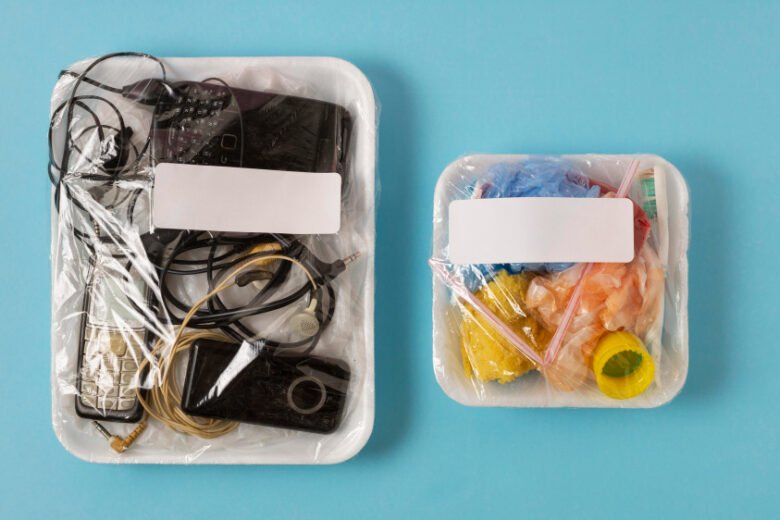
A few years ago, I realized I was spending far too much on gadgets and other tech gear. New phones, laptops, kitchen appliances, even headphones—my budget took the biggest hit every time I “needed” the latest version. Then I started digging into the refurbished market and discovered a world of savings and smart buying that changed my spending habits forever.
The refurbished retail market is growing rapidly as more consumers seek value and sustainability in their purchases. In 2025, the global refurbished retail market reached an estimated $151.5 billion in size, driven by increased availability and affordability of pre-owned products. Experts project that this market will grow to $365.2 billion by 2034, expanding at a compound annual growth rate of over 10 percent. This means more people are choosing refurbished—and finding smart ways to stretch their dollars.
Understanding these trends helped push me toward refurbished buying, and my budget has been thanking me ever since.
What Does “Refurbished” Really Mean?
Refurbished products aren’t the same as “used” items you might find in a yard sale. A refurbished item has typically been returned by a customer, repaired if needed, tested, cleaned, and restored to a condition that’s close to new before resale. Depending on the seller, these items may even come with warranties and return options that rival new products.
Here’s a simple way to think about it:
| Term | Meaning | Typical Price |
|---|---|---|
| New | Never owned, full retail | 100% retail |
| Refurbished | Restored to like-new condition | 20–50% less than new |
| Open-Box | Returned, virtually unused | Slightly below retail |
| Used | Previously owned, no refurbishment | Varies widely |
Saving 20–50% or more on major purchases was a revelation for me—and it’s not uncommon. Certified refurbished devices often carry warranties just like new products, and many carriers and manufacturers offer guarantees that give peace of mind even when buying secondhand.
Why I Made the Switch
It started with a phone. I needed an upgrade but didn’t want to spend $700–$1,000 on a new handset. I found a refurbished version of a current-generation model for significantly less, with a one-year warranty included. The savings were immediate—and the performance was indistinguishable from new.
Once I saw how much I could save on tech alone, I began to apply the same logic to other categories like small appliances, power tools, and home electronics.
There were a few key reasons I stuck with refurbished buying:
-
Lower prices with comparable performance
-
Warranty or return options from reputable sellers
-
Less waste and environmental impact
-
Access to models that might be discontinued or hard to find new
That combination made refurbished buying feel smart, responsible, and genuinely budget-friendly.
How Much You Can Really Save
One of the biggest draws of refurbished buying is the cost savings. Depending on the category and product, many refurbished items cost 20–50% less than their new equivalents. Here’s an approximate look:
| Product | New Price | Refurbished Price | Typical Savings |
|---|---|---|---|
| Smartphone | $799 | $529 | ~$270 (34%) |
| Laptop | $1,199 | $899 | ~$300 (25%) |
| Tablet | $699 | $499 | ~$200 (29%) |
| Dyson Vacuum | $599 | $429 | ~$170 (28%) |
Prices are approximate figures and are subject to change any time
These aren’t just one-off examples—many refurbished sellers regularly offer discounts in these ranges or better. Over time, buying even a few devices this way can free up hundreds or even thousands of dollars that stay in your pocket rather than going out on retail purchases.
The Budget Impact on My Finances
Here’s a snapshot of how switching to refurbished affected some of my spending over a calendar year:
| Category | Average Retail Spend (New) | My Refurb Spend | Annual Savings |
|---|---|---|---|
| Smartphone | $799 | $529 | $270 |
| Laptop | $1,199 | $899 | $300 |
| Small tech (headphones, watches) | $400 | $250 | $150 |
| Total | $2,398 | $1,678 | $720 |
Prices are approximate figures and are subject to change any time
Those savings added up fast—nearly three quarters of a thousand dollars just by choosing refurbished over new for the biggest purchases on my list. And that doesn’t include spilling over into smaller accessories, cables, cases, or even home appliances where refurbished deals often exist too.
Tips for Buying Refurbished Successfully
Whether you’re new to refurbished goods or want to be a smarter buyer, here are some best practices that helped me:
1. Choose Certified Sellers:
Look for manufacturer-certified refurbished products or reputable refurbishers with return policies and warranties.
2. Understand the Warranty:
A good warranty can mitigate much of the risk. Some refurbished products come with warranties similar to new items.
3. Compare Prices:
Always compare refurbished prices with current new prices before committing. Sometimes open-box or slightly older models deliver even better value.
4. Read Product Grading:
Refurbished items often come with condition grades (e.g., “excellent,” “very good”). Know what these grades mean for cosmetic and functional condition.
5. Check Return Policies:
Make sure you understand the return window in case the product doesn’t meet expectations.
Why Refurbished Is Becoming Mainstream
The refurbished market isn’t a niche anymore. Consumer acceptance is growing rapidly as people realize they can get reliable products without the steep price tag. In fact, consumer surveys show that a large majority now prioritize value and price over buying brand-new products when shopping for tech. Many buyers today actively research refurbished options before buying new.
This shift is also helping the refurbished market grow worldwide into a multi-billion-dollar industry. As it expands, more categories become available — from electronics and appliances to tools and accessories — widening the landscape of smart budgeting.
Other Budget-Friendly Refurbished Categories
While tech is the most well-known refurbished segment, you can save significantly in other areas too:
| Category | Typical Refurb Discount | Example Items |
|---|---|---|
| Home Appliances | 25–40% | Microwaves, vacuums, mixers |
| Power Tools | 20–45% | Drills, saws, garden tools |
| Audio Equipment | 25–50% | Speakers, receivers, headphones |
| Fitness Tech | 20–35% | Watches, trackers |
Branching out beyond electronics can compound your savings across the household.
Budget Wins and Smarter Buying
Switching to refurbished products didn’t just save me a few dollars—it changed how I think about purchases that matter. I still buy quality products, but I no longer assume the most expensive or newest version is the only way. Refurbished items let me get solid performance, good warranties, and reliable functionality while reducing my overall spending.
Refurbished buying helped my budget in a real way, and it can help yours too—especially if you’re mindful about quality, warranties, and trusted sellers.
So next time you’re about to pay full price, take a moment to check refurbished options. Your budget might thank you too.
Sources:
Used Refurbished Electronics Market
Refurbished tech: How marketers can drive sustainable change