
Dining out is one of life’s simple pleasures. Whether it’s meeting friends for brunch, grabbing a quick lunch during a busy week, or enjoying a weekend dinner, restaurant meals are convenient and enjoyable. However, they can quietly become one of the largest discretionary expenses in many households.
According to data from the U.S. Bureau of Labor Statistics, the average household spends more than $4000 per year on food away from home. That’s close to $300 per month — and for many families, the number is even higher. With menu prices rising in recent years, being intentional about dining choices matters more than ever.
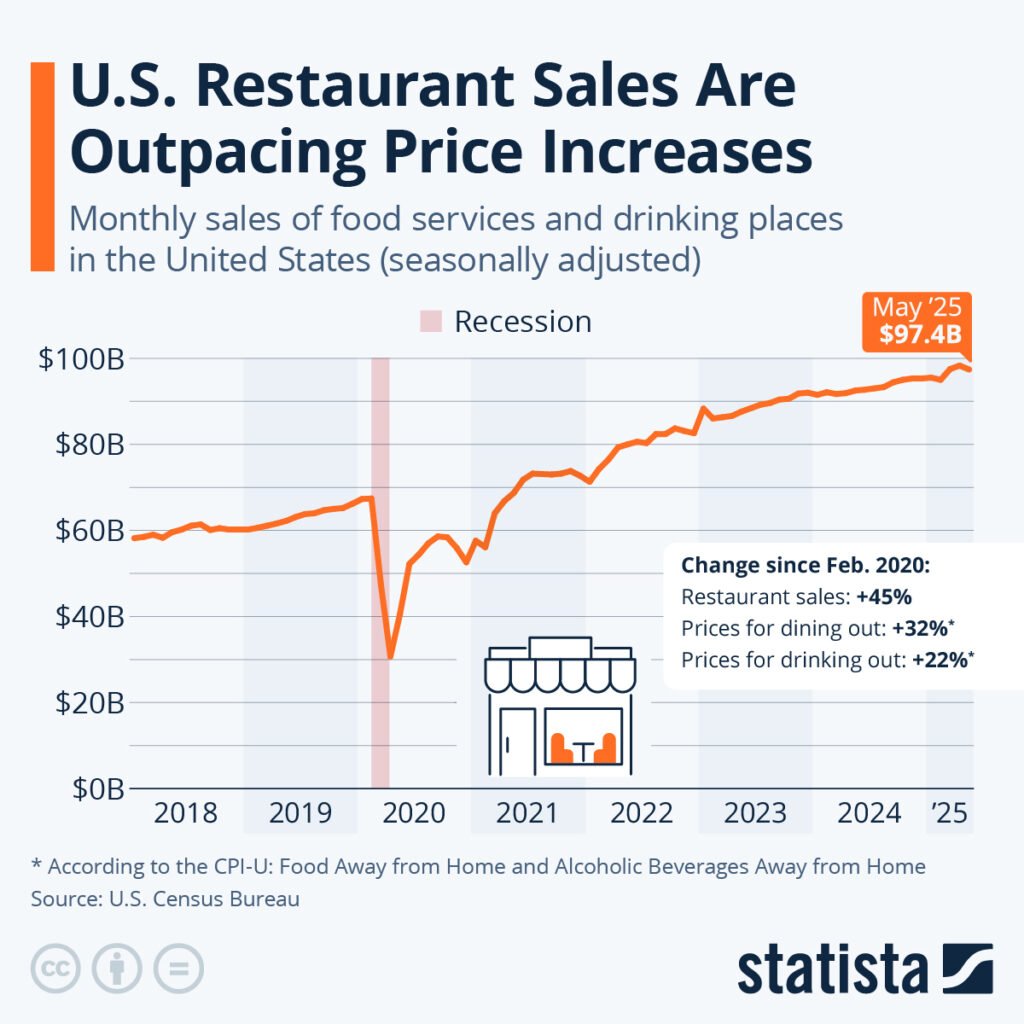
May be by watching your spending habits on dining out, you must feel out of control but you are not alone! A quick coffee on the way to work, lunch with coworkers a few times a week, and ordering dinner after a long day can feel harmless in the moment. But over time, those small purchases add up in a big way:
-
$5 daily coffee = $1,825 per year
-
$15 lunch, 3 times per week = $2,340 per year
-
$50 dinner once a week = $2,600 per year
And that’s per person. For couples or families, the total can multiply quickly. If dining out is something you truly enjoy and intentionally budget for, that’s perfectly fine — money is meant to support the lifestyle you value. But if those restaurant habits are slowing down your savings progress or making it harder to reach financial goals, it may be time to pause and ask yourself a few honest questions.
 Read More:
Why Restaurant Spending Adds Up So Quickly
A single meal out may not seem expensive at first glance. But once you add drinks, tips, taxes, and extras, the final total often surprises people.
Typical Cost Breakdown
| 🍽️ Item | 💵 Estimated Cost | 📌 Notes |
|---|---|---|
| Entrée | $18–$28 | Casual sit-down pricing |
| Appetizer | $10–$16 | Common add-on |
| Drink | $12–$18 | High markup |
| Dessert | $8–$12 | Optional but tempting |
| Tip (18–22%) | $10–$20 | Based on total bill |
| Total (per person) | $45–$75+ | Before parking or delivery |
For a couple, that easily becomes $100–$150 per outing.
Small decisions — like skipping drinks or sharing appetizers — can significantly reduce this total.
1. Set a Clear Monthly Dining Budget
Before deciding where to eat, decide how much to spend.
Creating a dedicated dining category in your monthly budget helps prevent impulse spending. Whether that amount is $150 or $400 depends on your income and goals — but having a limit keeps spending intentional.
Helpful tip:
-
Track dining weekly, not monthly.
-
Divide your budget into four weekly allowances.
-
Stop once you reach the limit.
This keeps restaurant spending from quietly exceeding expectations.
2. Choose Lunch or Early Specials Instead of Dinner
Many restaurants price lunch menus lower than dinner menus — even for similar portions. Choosing lunch instead of dinner can reduce costs by 20–40%.
Additionally, early specials and weekday promotions often provide better value.
Instead of:
-
Weekend dinner at peak pricing
Try:
-
Midweek lunch
-
Early evening special
-
Happy hour menu
You’ll often enjoy the same atmosphere for significantly less money.
3. Skip High-Markup Items
Some menu items carry significantly higher markups than others.
High-Markup Items to Watch
| 🚫 Item | 💡 Why It Costs More |
|---|---|
| Alcohol | 3–4x wholesale markup |
| Soda | Extremely low cost to restaurant |
| Appetizers | Designed to increase ticket size |
| Desserts | High profit margin |
Simple swaps:
-
Order water instead of soda.
-
Limit alcohol to one drink.
-
Share appetizers.
-
Split dessert.
Even removing one high-margin item can reduce your bill by $15–$30 per person.
4. Make Dining Out a Planned Event
Eating out becomes expensive when it becomes routine rather than intentional.
Instead of dining out multiple times per week, consider:
-
One planned weekly meal out
-
One takeout night
-
Cooking upgraded meals at home on other nights
Turning dining out into a deliberate event makes it more enjoyable and easier to budget for.
5. Use Rewards and Cashback Responsibly
If you’re spending money anyway, maximize value:
-
Join restaurant loyalty programs.
-
Use cashback credit cards for dining purchases.
-
Look for birthday rewards.
-
Sign up for promotional email offers.
However, avoid spending more simply to earn rewards. The goal is to reduce net cost — not justify higher spending.
6. Let Leftovers Work for You
Many restaurants serve large portions.
Instead of overeating:
-
Box half immediately.
-
Plan to use leftovers for lunch the next day.
-
Repurpose leftovers into a second meal.
This effectively cuts the cost per serving in half.
For example:
A $24 entrée split into two meals becomes $12 per meal — far more reasonable.
7. Watch Emotional Spending Triggers
Restaurants are carefully designed to encourage additional purchases.
Common triggers include:
-
Upselling suggestions
-
Combo upgrades
-
Social pressure at the table
-
Limited-time offers
Being aware of these tactics helps you stay intentional rather than reactive.
Cost vs. Savings: Restaurant vs. Home Cooking
To see the impact of going out versus staying in:
| 🍴 Option | 💵 Approx Daily Cost | 💡 Best For |
|---|---|---|
| 🏠 Home-cooked meal | $6–$12 | Regular eating, families |
| 🍔 Fast-food or café | $10–$15 | Quick but less healthy |
| 🍝 Casual dining | $18–$30 | Social dinners and special outings |
| 🍷 Mid-range dining | $25–$40+ | Special occasions |
Even the cheapest restaurant options typically cost more than cooking at home — but with the right tricks, you can make eating out feel cheaper than it actually is.
How Small Changes Create Big Annual Savings
Reducing restaurant spending by just one meal per week can lead to meaningful savings.
| 🍽️ Weekly Savings | 💰 Estimated Annual Savings |
|---|---|
| $40 | $2,080 |
| $60 | $3,120 |
| $80 | $4,160 |
That money could go toward:
-
Emergency savings
-
Travel
-
Debt repayment
-
Investments
-
Home improvements
Even modest adjustments produce long-term financial impact.
Enjoy the Table and Protect Your Wallet
Dining out doesn’t have to drain your wallet — as long as you plan smart, know your cost drivers, and make strategic choices. Americans are dining out more often than ever — with the average household spending hundreds on restaurant meals every year — and that’s okay if it aligns with your lifestyle and budget goals. The key is to balance enjoyment and savings rather than cutting dining out entirely. With thoughtful planning, loyalty perks, smart menu choices, and budgeting ahead of time, you can continue to enjoy your favorite meals without regretting the bill.