
Key Points:
» Holiday Spending Is Emotion-Driven: Family expectations, nostalgia, and social comparisons often lead to unplanned purchases.
» Marketing and Social Pressure Increase Spending: Holiday deals, promotions, and gift-exchange traditions encourage people to spend more than planned.
» Small Expenses Add Up Quickly: Costs like travel, food, decorations, and parties can push holiday spending far beyond the original budget.
Every year, I promise myself the same thing: This holiday season will be different. I’ll stick to a budget, avoid impulse shopping, and focus on meaningful moments rather than expensive gifts. But somehow, by the time the decorations come down and the credit card statements arrive, I realize I’ve spent far more than I planned.
And it turns out I’m not alone.
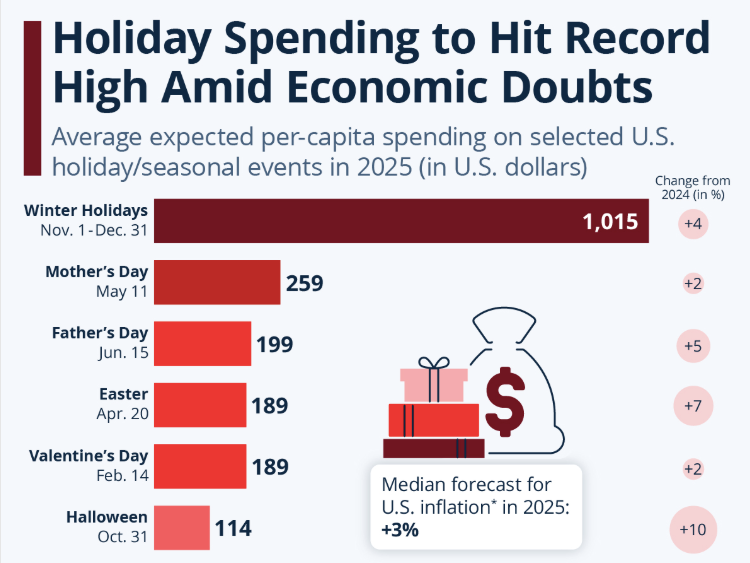
In the United States, holiday spending has grown into a massive economic event. Americans are expected to spend over $1 trillion during the winter holiday season, marking the first time spending has crossed that milestone.
On average, consumers spend about $890 on gifts, decorations, and food, while total seasonal expenses — including travel and celebrations — can reach around $1,595 per person.
Even more surprising, 59% of U.S. shoppers admit to impulse purchases during the holidays, which explains why so many of us exceed our original budgets.
So why does this happen every year?
▶▶ Related – How I Saved for My Dream Vacation Without Feeling Broke
From emotional buying to clever marketing, there are several psychological and social reasons why holiday spending spirals out of control. In this blog, I want to walk through the real reasons behind this behavior — and the lessons I’ve learned about controlling it.
The Reality of Holiday Spending in the U.S.
Before diving into the reasons behind overspending, I always find it helpful to look at the numbers.
🎄 Average Holiday Spending in the U.S.
| Category | Average Spending |
|---|---|
| 🎁 Gifts | $628 |
| 🍽 Food & celebrations | $263 |
| ✈ Travel & lodging | $2,330 |
| 🛍 Total holiday spending | $1,595 |
Source: National retail Federation (NRF), NerdWallet, Deloitte holiday surveys
Looking at these numbers, I realized something: holiday spending isn’t just about gifts anymore. Travel, decorations, parties, and entertainment all add to the total cost.
And that’s exactly where things start getting out of hand.
1. The Emotional Pressure to Create the “Perfect Holiday”
One thing I’ve noticed about holiday spending is that it rarely feels rational.
Instead, it’s emotional.
When the holidays approach, there’s this invisible pressure to make everything perfect — the decorations, the gifts, the food, and the experiences.
I catch myself thinking things like:
-
My kids will love this toy.
-
My parents deserve something special.
-
This year should feel magical.
Before I realize it, my cart is full.
🎁 Emotional Spending Triggers
| Trigger | Why It Leads to Overspending |
|---|---|
| ❤️ Family expectations | We want loved ones to feel valued |
| 🎄 Holiday nostalgia | Memories of past celebrations influence spending |
| 🎁 Gift-giving culture | Gifts are seen as expressions of love |
| 📸 Social media comparisons | We compare our celebrations with others |
These emotional triggers can override financial logic.
Suddenly, a $30 gift becomes a $120 purchase — because I want it to feel meaningful.
2. Holiday Marketing Is Designed to Make Us Spend
Another thing I’ve realized over the years is that holiday spending isn’t accidental.
Retailers spend months preparing for it.
From Black Friday deals to limited-time discounts, every promotion is designed to create urgency.
During Thanksgiving weekend alone, more than 200 million Americans go shopping, making it one of the biggest retail events of the year.
And the tactics retailers use are incredibly effective.
🛍 Retail Marketing Tactics That Increase Spending
| Marketing Strategy | How It Works |
|---|---|
| ⏰ Limited-time deals | Creates urgency to buy immediately |
| 🔖 “Buy one get one” offers | Encourages larger purchases |
| 🛒 Free shipping thresholds | Pushes shoppers to add extra items |
| 🎯 Personalized ads | Targets shoppers with relevant products |
I’ve personally fallen for the “You’re only $12 away from free shipping” trick more times than I can count.
Instead of saving money, I end up spending more.
3. Social Expectations Make Spending Feel Necessary
Another reason I overspend during the holidays is simple: social expectations.
Gift exchanges have become a tradition in many workplaces, families, and friend groups.
Suddenly, my gift list expands to include:
-
Family members
-
Friends
-
Coworkers
-
Teachers
-
Neighbors
Before I know it, I’m buying gifts for 20+ people.
👥 Holiday Gift Lists Add Up Quickly
| Recipient | Typical Gift Budget |
|---|---|
| Immediate family | $50–$200 each |
| Extended family | $25–$75 each |
| Friends | $20–$50 each |
| Coworkers | $10–$30 each |
Even modest gifts can quickly turn into hundreds of dollars in spending.
And because these purchases happen gradually, it’s easy to underestimate the total cost.
4. Holiday Shopping Happens Fast
Something interesting about holiday spending is how quickly it happens.
Americans now spend about 5.7 weeks shopping for the holidays, which is shorter than in previous years.
That means people are spending more money in less time.
And when shopping is rushed, budgeting becomes harder.
⏳ Shorter Shopping Seasons = More Impulse Buying
| Factor | Impact on Spending |
|---|---|
| ⏱ Limited time | Encourages quick decisions |
| 📱 Online shopping | Makes buying easier |
| 🎯 Flash deals | Promote impulse purchases |
| 🛒 One-click checkout | Reduces hesitation |
Sometimes I don’t even realize how much I’ve spent until the season ends.
5. Holiday Traditions Can Be Expensive
Over time, many holiday traditions have become surprisingly expensive.
Things like:
-
Hosting family dinners
-
Traveling to see relatives
-
Decorating homes
-
Attending events and parties
Even small traditions add up.
🎄 Common Holiday Traditions and Their Costs
| Tradition | Average Cost |
|---|---|
| 🍽 Holiday dinner | $80–$150 |
| 🎄 Decorations | $50–$200 |
| ✈ Travel | $500–$2,000 |
| 🎉 Holiday parties | $50–$300 |
When I look at these costs together, it becomes clear why the holidays can strain budgets.
6. We Underestimate How Much We’ll Spend
One of the biggest reasons people overspend during the holidays is simple:
We underestimate.
Many of us create a rough budget — maybe $500 or $700 — but forget to include:
-
Decorations
-
Wrapping supplies
-
Travel costs
-
Holiday outfits
-
Party contributions
📊 Planned vs Actual Holiday Spending
| Expense | Planned Budget | Actual Cost |
|---|---|---|
| Gifts | $400 | $550 |
| Food & celebrations | $100 | $200 |
| Travel | $200 | $450 |
| Decorations | $50 | $120 |
Looking at this kind of breakdown makes one thing clear: small expenses add up quickly.
7. Credit Cards Make Overspending Easier
Another reason I’ve overspent in the past is the convenience of credit cards.
When I swipe a card instead of paying cash, the spending doesn’t feel as real.
But the reality shows up later — usually in January.
Many Americans rely on credit during the holidays, which can lead to months of post-holiday debt.
💳 Why Credit Cards Increase Holiday Spending
| Reason | Impact |
|---|---|
| Delayed payment | Spending feels less immediate |
| Reward points | Encourages more purchases |
| High credit limits | Makes large purchases easier |
| Holiday promotions | Special financing offers |
While credit cards can be helpful, they also make it easy to exceed a budget.
8. The “Last-Minute Shopping” Problem
If I’m being honest, some of my worst holiday spending decisions happen in the final week before Christmas.
Last-minute shopping often leads to:
-
Paying full price
-
Buying expensive gifts out of panic
-
Skipping price comparisons
And I’m not alone.
A large number of Americans admit they make last-minute purchases during the holiday season, often resulting in higher spending.
What I’ve Learned About Holiday Spending
After years of overspending during the holidays, I’ve learned a few important lessons.
The biggest one is this:
Holiday joy doesn’t come from spending more money.
Some of my favorite holiday memories have nothing to do with expensive gifts.
They involve simple moments like:
-
Watching movies with family
-
Cooking holiday meals together
-
Decorating the house
-
Spending time with friends
Those experiences are what the holidays are really about.
How I Try to Control My Holiday Spending
While it’s easy to overspend during the holidays, there are a few strategies that have helped me stay more mindful.
💡 Holiday Spending Control Strategies
| Strategy | Why It Works |
|---|---|
| 📝 Create a gift list early | Prevents impulse purchases |
| 💰 Set a spending limit per person | Keeps budgets predictable |
| 🎁 Consider experience gifts | Often cheaper and more meaningful |
| 🛒 Track purchases weekly | Prevents budget surprises |
| 🎄 Focus on traditions instead of gifts | Reduces pressure to spend |
These small changes have helped me enjoy the holidays without the financial stress.
The Real Takeaway
Holiday spending has become a major part of American culture, with consumers collectively spending over $1 trillion each year during the holiday season.
But the reason many of us spend more than we plan isn’t just about money — it’s about emotion, tradition, marketing, and social expectations.
When I step back and think about it, the holidays aren’t really about the gifts or the decorations.
They’re about connection.
And sometimes, the best way to enjoy the holidays is to spend a little less — and focus a little more on the moments that truly matter.
Disclaimer:
The information provided on MyAmericanSavings.us is for educational purposes only and should not be construed as financial, investment, or legal advice. Please consult with a licensed professional before making any financial decisions.