

Key Points
- Micro-Habits Overhaul: Breaks down intimidating financial goals into 30 manageable daily tasks, leveraging behavioral science to turn small wins into permanent lifestyle changes.
- Plugging “Money Leaks”: Targets high-impact, invisible drains like unused subscriptions and unplanned food spending, which can save the average household hundreds of dollars almost immediately.
- Awareness to Automation: Shifts the strategy from manual tracking in Week 1 to automated savings by Week 4, removing the “willpower barrier” and ensuring long-term financial growth.
Spring is the season of renewal, a time to declutter, refresh, and hit the reset button. Most people think of spring cleaning in terms of closets and kitchens—but what about our finances? According to Statista, about one-quarter of Americans have less than $1,000 in savings, and more than 1 in 10 have no savings at all. Combine that with rising inflation and unpredictable expenses, and it’s clear that many of us start the year behind financially.
April is the perfect month to hit refresh with your money habits. This 30-day savings challenge is designed to help you take control, build consistent savings, and develop long-term financial discipline. Whether your goal is to grow an emergency fund, save for a vacation, or simply curb impulsive spending, this challenge offers a day-by-day roadmap that actually works. For tracking and budgeting, you can use top tools recommended by NerdWallet, and behavioral research on habit formation from Scientific American shows that 21–30 days of consistent effort can embed new financial habits effectively.
 Related: I Let AI Manage My Budget for 30 Days—Here’s What Happened
How the 30-Day Money Reset Works
The concept is simple: small, consistent actions over 30 days lead to meaningful results. Each day, you’ll take a manageable step—whether it’s trimming unnecessary spending, tracking your habits, or automating savings. By the end of the month, you’ll not only see measurable financial progress but also develop habits that can last well beyond April.
Think of it like a “spring cleaning” for your wallet: declutter financial leaks, organize your spending, and set up systems that make saving effortless.
Week 1: Track, Trim, and Tweak
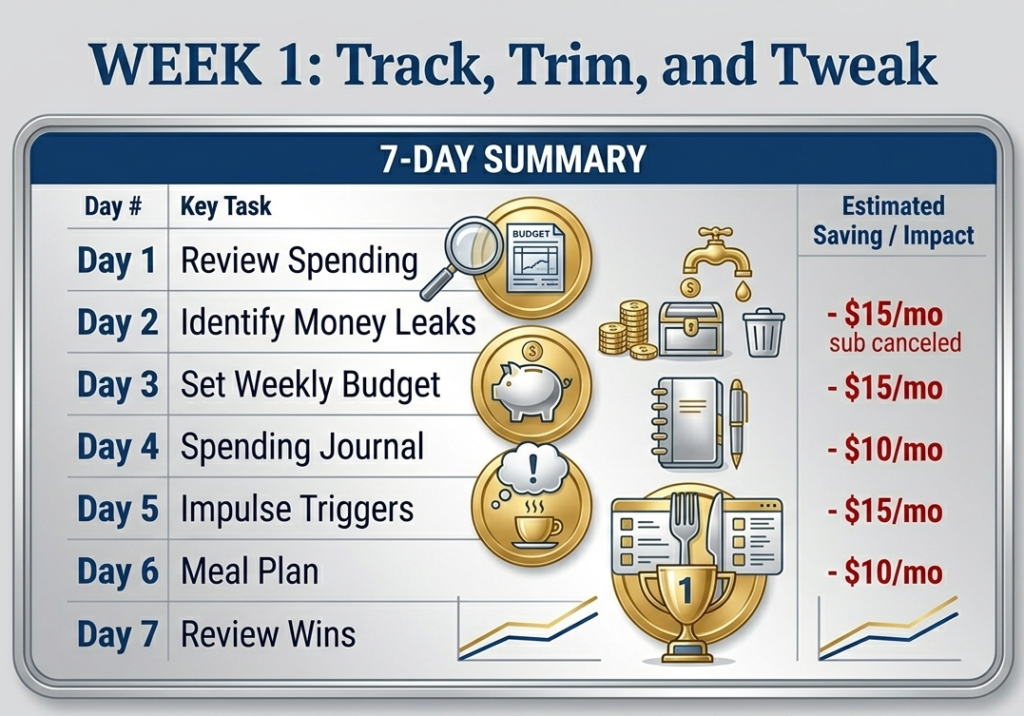
Day 1: Review Last Month’s Spending
Start by examining your bank and credit card statements for the past month. Categorize every transaction: essentials (rent, groceries), discretionary (dining out, streaming), and irregular expenses (gifts, subscriptions). Use a notebook or a budgeting app like Mint or YNAB to organize this information visually.
Day 2: Identify Money Leaks
Highlight recurring payments or subscriptions you rarely use. Many Americans pay for at least one unused subscription monthly—often around $15–$25. Canceling these can save $180–$300 a year with minimal effort.
Day 3: Set a Weekly Budget
Break down your monthly income into weekly spending limits. Assign exact amounts for necessities, discretionary spending, and savings. Seeing your money allocated in weekly chunks makes it easier to stay on track.
Day 4: Start a Spending Journal
Track every dollar you spend today, including small cash purchases. Studies show that simply recording spending can reduce unnecessary expenses by up to 20%.
Day 5: Identify Impulse Triggers
Notice when you spend without thinking. Is it boredom, stress, or social pressure? Recognizing triggers helps you avoid impulse buys in the future.
Day 6: Meal Plan and Grocery List
Plan meals for the next week and create a shopping list. Avoid last-minute takeout by sticking to your plan. On average, Americans overspend $200 per month on unplanned food purchases.
Day 7: Review Week 1 Wins
Reflect on the first week’s progress. Celebrate small victories, like canceling a subscription or tracking every dollar. These early wins build momentum for the weeks ahead.
Week 2: Boost Income and Automate Savings
Day 8: Find Extra Cash at Home
Look around your home for items you no longer use. Selling books, clothing, or electronics on platforms like eBay, Facebook Marketplace, or OfferUp can provide an immediate cash boost.
Day 9: Try a Micro-Income Activity
Participate in paid surveys, freelance tasks, or gig economy jobs. Even 30–60 minutes a day can add $50–$100 a week to your savings.
Day 10: Automate Savings
Set up automatic weekly transfers from your checking account to a savings account. Start small—$10–$20 per week—and increase as you get comfortable. Automation removes the “willpower barrier” from saving.
Day 11: Implement Round-Up Savings
Some banks allow you to round each purchase to the nearest dollar and deposit the difference into a savings account. Over a month, this can add up to $50–$100 effortlessly.
Day 12: Reassess Subscriptions and Bills
Check if you can downgrade services like cable, internet, or streaming plans. A simple phone call to request a lower rate can save $10–$50 per month.
Day 13: Explore Cash-Back and Rewards
Use cash-back apps or credit card rewards (responsibly) to earn money on regular purchases. This strategy turns spending you already do into small savings.
Day 14: Week 2 Review
Review how much extra income and automated savings you accumulated. Adjust amounts if needed and set realistic goals for Week 3.
Week 3: Mindful Spending and Micro Challenges
Day 15: Practice Mindful Spending
Before any purchase, ask yourself: Do I need this? Does it align with my financial goals? This habit reduces impulse buying.
Day 16: One No-Spend Day
Choose a day to avoid spending anything except essentials. No coffee shops, online shopping, or extra gas stops. This challenge builds discipline and awareness.
Day 17: Mini Savings Challenge
Try a creative savings challenge: for example, save $1 every time you avoid a snack or drink purchase.
Day 18: Cook at Home Challenge
Commit to preparing all meals at home for the day. Compare costs with eating out to see immediate savings.
Day 19: Use the 24-Hour Rule
If you want to make a non-essential purchase, wait 24 hours before buying. This reduces impulse buys by 50% or more.
Day 20: Shop with a List Only
Go grocery shopping with a strict list and stick to it. Avoid “buy one, get one” deals unless necessary.
Day 21: Review Week 3 Wins
Reflect on mindful spending. Notice patterns, such as which triggers are hardest to resist. Use this insight to plan for the final week.
Week 4: Consolidate, Celebrate, and Plan Ahead
Day 22: Analyze Your Progress
Compare your savings now with Day 1. Seeing tangible results motivates continued discipline.
Day 23: Adjust Your Budget
Reallocate money from categories where you consistently underspend to savings or debt repayment.
Day 24: Identify Recurring Obstacles
Are there any habits or expenses that consistently derail your budget? Brainstorm solutions to mitigate them.
Day 25: Plan for Emergencies
If you don’t have an emergency fund, start one today. Even $500 saved now can prevent financial stress later.
Day 26: Review Long-Term Goals
List 3–5 financial goals for the next 6–12 months. Allocate your savings accordingly: vacation fund, debt repayment, or investment.
Day 27: Reward Yourself Wisely
Celebrate your wins with a small, affordable treat—like a homemade dessert or a fun outdoor activity. Reinforcing positive behavior helps habits stick.
Day 28: Evaluate Mindset Shifts
Notice how your approach to money has changed. Are you more aware, disciplined, or motivated? Documenting your progress helps solidify habits.
Day 29: Create a Financial Habit Checklist
Write a checklist of habits you want to continue after April. Include tracking expenses, automatic transfers, and mindful spending reminders.
Day 30: Celebrate and Share Your Success
Share your 30-day progress with a friend or online community. Celebrating wins reinforces behavior and inspires others to take action.
Why This Challenge Works
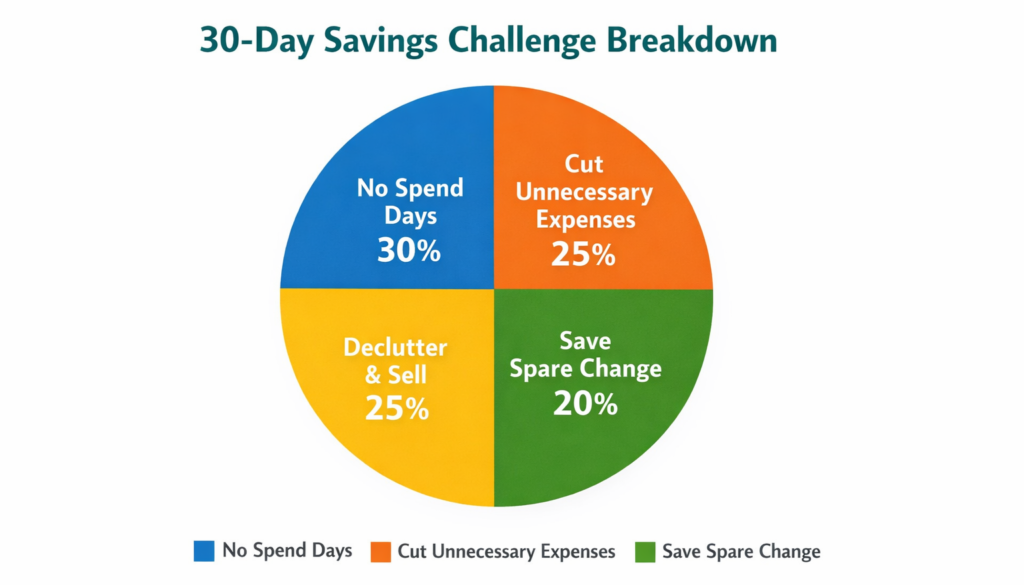
Consistency is critical for habit formation. Behavioral research shows it takes about 21–30 days to embed a new habit. By focusing on daily, manageable actions, the April Money Reset removes overwhelm and builds confidence.
Incremental savings, even small amounts like $5–$20 daily, can accumulate into $300–$500 by the end of the month. These tangible results trigger the dopamine boost of achievement, making financial discipline feel rewarding instead of restrictive.
Pro Tips for Staying on Track
- Accountability: Track your progress publicly or with a friend for extra motivation.
- Track Every Dollar: Even minor expenses matter in understanding your spending patterns.
- Stay Flexible: Missed a day? Adjust and continue. The goal is progress, not perfection.
- Automate When Possible: Reduce friction by automating transfers, bills, and recurring expenses.
Transform Your Relationship With Money!
The April Money Reset is more than just a month-long challenge. It’s an opportunity to transform your relationship with money. By tracking expenses, trimming unnecessary spending, automating savings, and practicing mindful habits, you can create financial momentum that lasts all year.
Starting today can lead to measurable financial wins by the end of April—and habits that continue well beyond. Take the first step, follow the challenge, and watch your money grow.
Sources:
- Statista: Americans’ Savings Statistics 2024 — About one-quarter of Americans have less than $1,000 in savings, and more than 1 in 10 have no savings at all.
- NerdWallet: The Best Budgeting Apps for 2026 — Recommended budgeting tools to help track and optimize your spending.
- Scientific American: How Long It Really Takes to Form a Habit — Explains habit formation and why consistent effort is key to building lasting financial behaviors.
- Forbes: Emergency Fund Importance — Guidance on building and maintaining an emergency savings fund.
Disclaimer:
The information provided on MyAmericanSavings.us is for educational purposes only and should not be construed as financial, investment, or legal advice. Please consult with a licensed professional before making any financial decisions.