
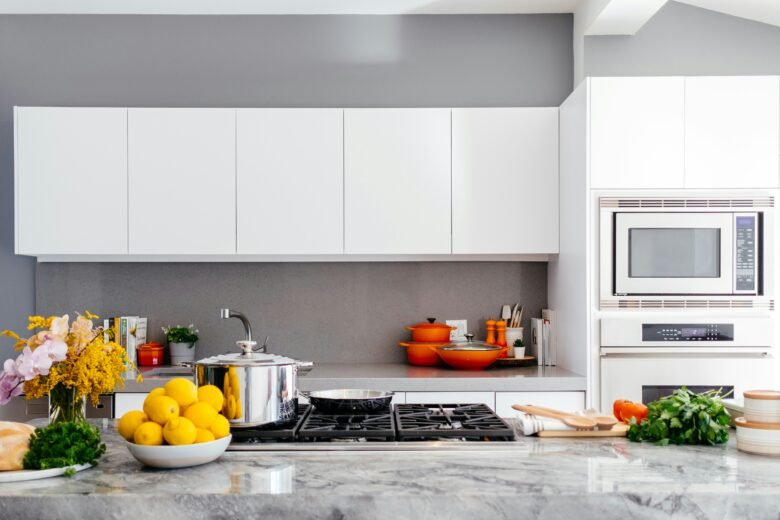
Setting up a kitchen doesn’t have to drain your bank account. Whether you’re moving into your first apartment, upgrading old tools, or simply trying to be more mindful about spending, stocking a kitchen affordably is absolutely possible. The key is knowing what truly matters, what can wait, and how to shop smarter instead of spending more. You don’t need a luxury budget to create a kitchen that works beautifully. With smart planning, selective spending, and a focus on essentials, you can build a practical kitchen without overspending.
This guide breaks down exactly how to do it—step by step.
Focus on Kitchen Must-Haves First
Before buying anything, start with the items you’ll use almost every day. These form the backbone of a functional kitchen and eliminate the need for unnecessary extras.
Essential cooking tools include:
-
One sharp chef’s knife (8-inch is ideal)
-
A medium saucepan
-
A large skillet or frying pan
-
One stockpot or deep pot
-
Cutting boards (plastic or bamboo)
-
Basic utensils: spatula, wooden spoon, tongs, ladle
Example products:
-
Stainless steel frying pan instead of non-stick sets
-
Bamboo cutting board instead of glass (easier on knives)
Avoid buying knife blocks or large cookware sets at the start—they often include items you won’t use.
Spend Smart: Where Quality Matters vs. Where It Doesn’t
Not every kitchen item deserves a big investment. Knowing where to save and where to spend helps stretch your budget further.
Worth spending a little more on:
-
Knives (for safety and efficiency)
-
Cookware (even heat distribution lasts longer)
-
Food storage containers (leak-proof, reusable)
Safe to buy budget-friendly:
-
Measuring cups and spoons
-
Mixing bowls
-
Peelers and graters
-
Dish towels and oven mitts
For example, a basic stainless steel saucepan will outperform a cheap non-stick pan over time, while a plastic measuring cup works just as well as an expensive one.
Skip Bundles and Buy Individual Pieces
Kitchen bundles may look economical, but they often include items that gather dust. Buying individual pieces lets you customize your kitchen based on your cooking habits.
Instead of buying:
-
10-piece cookware sets
-
Large utensil bundles
Buy only what you need, such as:
-
One non-stick pan for eggs
-
One deep pot for soups and pasta
-
One baking tray if you actually bake
This approach prevents clutter and unnecessary spending.
Choose Multi-Purpose Kitchen Tools
Multi-functional items save money, space, and time. Look for tools that perform multiple roles instead of single-use gadgets.
Smart multi-purpose tools include:
-
Cast iron skillet (frying, baking, roasting)
-
Blender (smoothies, sauces, soups)
-
Microwave-safe glass bowls (mixing, storing, reheating)
-
Box grater (cheese, vegetables, zesting)
For example, a cast iron pan can replace a grill pan, frying pan, and even some baking dishes.
Save Big by Buying Second-Hand
Thrift stores, garage sales, and online marketplaces are goldmines for affordable kitchen items. Many people donate barely used cookware during moves or upgrades.
Best items to buy second-hand:
-
Glassware and mugs
-
Baking dishes
-
Metal utensils
-
Cast iron cookware
-
Storage jars
Avoid second-hand non-stick pans with scratches, but stainless steel and glass items are usually safe and durable finds.
Be Selective With Small Appliances
You don’t need every trendy appliance right away. Start with appliances that match your daily routine.
Useful starter appliances:
-
Electric kettle
-
Coffee maker (if you drink coffee daily)
-
Rice cooker or slow cooker
Appliances you can delay:
-
Air fryers
-
Stand mixers
-
Specialty juicers
If you’re unsure, wait a few weeks and see what you actually miss in your kitchen.
Build Your Kitchen Around Your Cooking Style
Your kitchen should support how you cook—not how influencers cook.
Ask yourself:
-
Do I cook daily or occasionally?
-
Do I bake often?
-
Do I prefer quick meals or from-scratch cooking?
If you cook simple meals, you don’t need advanced tools. If baking is your thing, invest in:
-
Measuring tools
-
Mixing bowls
-
Baking trays and cooling racks
This mindset prevents wasteful purchases.
Stay Organized to Avoid Buying Duplicates
A messy kitchen leads to rebuying items you already own. Organization helps you save money over time.
Affordable organization tips:
-
Drawer dividers for utensils
-
Shelf risers for cabinets
-
Clear storage containers
-
Labels for spices and dry goods
When you can see what you have, you’re far less likely to overspend.
Shop Sales and Time Your Purchases
Kitchen items frequently go on sale during:
-
Clearance events
-
End-of-season promotions
If an item isn’t urgent, wait. Price tracking and store newsletters can help you snag deals without effort.
A Well-Stocked Kitchen Doesn’t Need a Big Budget
Creating a functional kitchen isn’t about buying everything at once—it’s about buying the right things. By focusing on essentials, choosing multi-purpose tools, and shopping intentionally, you can stock your kitchen without overspending.
A budget-friendly kitchen can still feel complete, efficient, and enjoyable. With smart choices, your kitchen will grow with you—one thoughtful purchase at a time.
Disclaimer:
The information provided on MyAmericanSavings.us is for educational purposes only and should not be construed as financial, investment, or legal advice. Please consult with a licensed professional before making any financial decisions.