
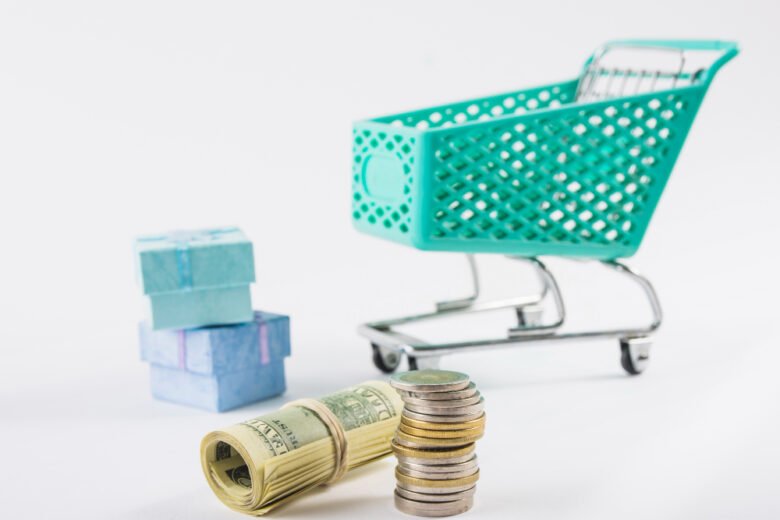
Key Points
- Convenience spending often goes unnoticed but can quietly cost hundreds or even thousands per year.
- Small habits like delivery fees, subscriptions, and one-click shopping add up faster than expected.
- Awareness is the first step—this quiz helps you identify and control hidden spending patterns.
Convenience has never been easier—or more expensive. From food delivery apps to one-click shopping, Americans are increasingly paying for speed and comfort. In fact, nearly 60% of consumers say they subscribe to services primarily for convenience, showing how strongly ease-of-use drives spending decisions. At the same time, these small, convenient purchases add up quickly. The average American spends between $1,000 and $3,200 per year on subscriptions, often without fully realizing it. Convenience costs are also rising in everyday habits—food delivery, for example, can cost up to 80% more than picking up the same order, adding small fees that quietly build into a major expense over time.
This quiz is designed to help you uncover spending habits you might not even notice. Convenience spending often feels harmless in the moment, but small choices—like paying for faster delivery or ordering takeout instead of cooking—can quietly drain hundreds of dollars each month. By answering a few simple questions, you’ll get a clearer picture of whether you’re in control of your spending or if convenience is starting to control you. Think of it as a quick financial check-in that could help you save more without drastically changing your lifestyle.
 Related: Are You Living Smart or Living Large? Take This Quiz to Know Your Personality
Results
🟢 Mostly A’s — “You’re in Control”
You value convenience, but you don’t let it control your spending. You’re mindful and intentional, which keeps your finances strong.
🟠 Mostly C’s — “Convenience Is Costing You”
You rely on convenience more than you realize. Small daily decisions are quietly draining your money.


#1. How often do you order food delivery instead of cooking?
#2. When shopping online, you usually:
#3. How many subscriptions are you currently paying for?
#4. Do you pay for faster shipping?
#5. When you’re tired, you:
#6. Do you use ride-sharing instead of public transport or walking?
#7. How do you feel about convenience fees?
#8. Have you ever been surprised by how much you spent in a month?
#9. When given a cheaper but less convenient option, you:
Why Convenience Spending is the “Silent Killer” of Wealth
Most of us don’t go broke because of one giant purchase. We stay “paycheck-to-paycheck” because of a thousand small, invisible choices. In the world of behavioral finance, this is known as Convenience Creep. It’s the $4 delivery fee, the $2 upcharge for pre-cut vegetables, and the $10 “express” shipping that we justify because we are “busy.”
While these costs seem insignificant in the moment, they are strategically designed to bypass your logical brain and tap into your need for instant gratification. When you took the quiz above, you likely noticed a pattern: convenience isn’t just about saving time; it’s often a coping mechanism for stress. By identifying your “Convenience Score,” you are taking the first step toward reclaiming thousands of dollars in lost annual income.
The Psychology of the “Path of Least Resistance”
Our brains are hardwired to seek the path of least resistance. In the caveman era, saving energy was a survival trait. In 2026, it’s a marketing vulnerability. Modern apps are designed to reduce “friction.” The fewer clicks it takes to buy a meal or a shirt, the less likely you are to engage your “Slow Thinking” brain—the part of you that realizes you have food in the fridge.
If your quiz results showed a high level of addiction, don’t be discouraged. You are fighting against billion-dollar algorithms designed to keep you spending. To further understand how your brain handles these triggers, you should also take our Money Personality Quiz to see if you are a “Natural Spender” or a “Stressed Shopper.”
The “Convenience Audit”: How to Reclaim $300 This Month
If you found that your convenience spending is out of control, it’s time for a data-driven audit. Start by looking at your last 30 days of transactions and highlighting three specific areas:
-
Digital Deliveries: Are you paying for the convenience of not driving five minutes to pick up your own food?
-
Subscription Overlap: Are you paying for premium “ad-free” versions of services you barely use?
-
The “Laziness Tax”: Are you buying pre-packaged goods that take only minutes to prepare yourself?
By cutting just two “convenience habits,” most Americans can save enough to fund a major goal. For instance, redirecting that money could be the key to saving $5,000 for your 2027 vacation.
Are You Ready to Break the Cycle?
Breaking a convenience addiction requires a “Pattern Interrupt.” This means intentionally adding friction back into your life. Delete your saved credit card info from your browser. Uninstall the food delivery apps for one week. Force yourself to wait 24 hours before any “convenience” purchase.
Testing your financial willpower is a journey, not a sprint. If you enjoyed this assessment, challenge yourself further with our 48-Hour No-Spend Challenge Quiz to see if you can truly unplug from the consumer cycle.
Your Roadmap to Savings!
The goal of My American Savings isn’t to tell you to never spend money. It is to help you spend intentionally. Convenience is a product you buy; make sure the time it saves you is actually worth the hours you had to work to pay for it.
Sources:
U.S. Convenience Food Market Statistics 2026– Highlights how convenience-driven spending is growing rapidly across the U.S. market.
Average Dining Out Spending in the U.S.– Americans spend around $313 per month on eating out, showing how everyday convenience adds up.
Rising Cost of Food Delivery vs Pickup– Delivery can cost nearly 80% more than picking up the same order, highlighting hidden convenience fees.
U.S. Consumer Restaurant Behavior Report 2026– Shows increasing preference for cost-saving alternatives like pickup over delivery.
Consumer Spending Trends Report 2025– Explains the rise of the subscription economy and convenience-based spending habits.