
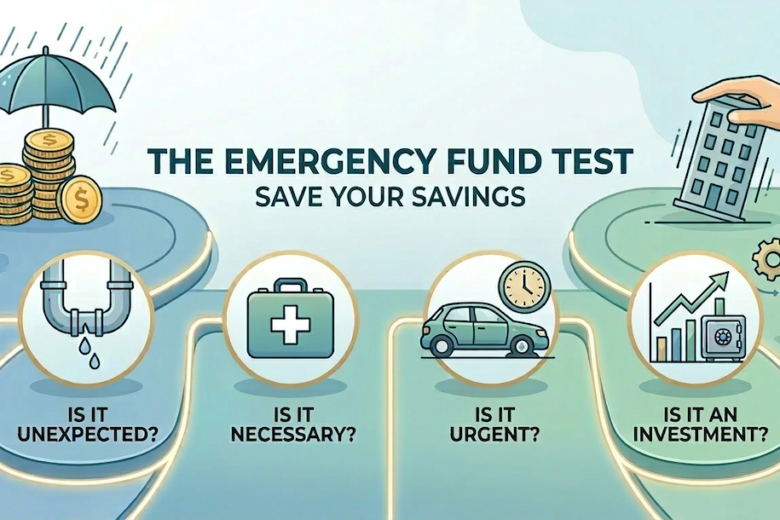
Key points: ➜ Not every unexpected expense is a true emergency. Always evaluate if the cost is urgent, necessary, and unavoidable before using your emergency fund. ➜Explore other financial options first. Budget adjustments, payment plans, or insurance coverage may help you handle expenses without draining your savings. ➜ Protect and …
 My American Savings Writers' Room
From $0 to $1,000: How I Built My Emergency Fund
Key Points: ➜ Start Small – Save small amounts regularly to build momentum. ➜ Cut One Expense – Reduce one unnecessary spending habit and redirect it to savings. ➜ Automate Savings – Use automatic transfers or extra income to grow your fund faster. A few years ago, I had no …
 Jessica the Saver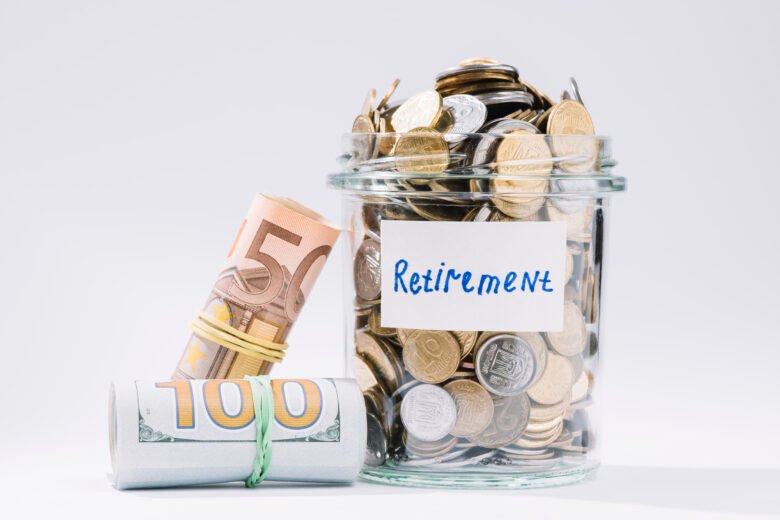
The Ultimate Guide to Retirement Savings
Planning for retirement is one of the most important financial steps you can take, yet it’s often pushed aside in the rush of everyday life. Retirement savings are not just about setting money aside for the future—they’re about securing comfort, independence, and peace of mind in the years when regular …
How to Save Money for Emergency Funds?
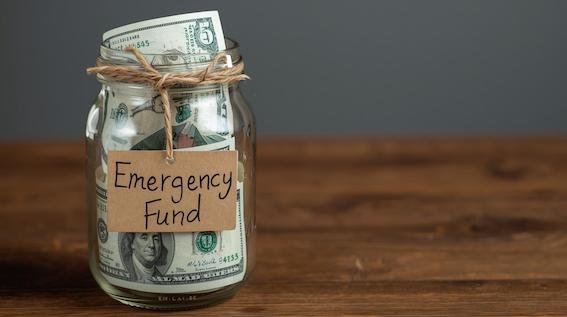
Experts commonly recommend saving three to six months’ worth of living expenses as a target, though even starting with smaller milestones like your first $500–$1,000 can make a meaningful difference. On a smaller scale, JPMorgan Chase data finds 92% of households could handle a $400 unexpected expense — but this …