
Key Points Your brain is wired for instant rewards: Spending triggers immediate dopamine, while saving offers delayed benefits—making it naturally harder to choose. Modern spending is frictionless and emotional: Credit cards, digital payments, and emotional triggers make it easier than ever to spend without thinking. Saving requires intentional behavior—not just …

 Daniel Desilva
The $50 Weekly Grocery Challenge: A Family-of-Four Meal Plan
Key Points Strategy Over Luck: Success depends on a “Strict Inventory First” approach—using what you already have to supplement a $50 list of versatile, raw ingredients rather than expensive pre-packaged kits. The Power of “Anchor” Ingredients: Low-cost, high-volume staples like cabbage, potatoes, and lentils act as nutritional foundations that can …

Spring Vacation on a Budget: How Americans Are Traveling Smarter in 2026
Key Points Travel smarter, not more: Americans are choosing shorter, budget-friendly trips. Save while traveling: Early booking, rewards, and cheaper destinations cut costs. New trends: Micro-trips, staycations, and workcations are rising. Spring is no longer just about taking a break—it’s about traveling smarter, spending wisely, and maximizing experiences without draining …

Emergency Funds in the Age of Buy Now, Pay Later (BNPL)
Key Points BNPL makes spending feel easier—but it’s still debt – Splitting payments reduces the “pain of paying,” which can lead to overspending without realizing it. It can quietly replace the need to save – Many people rely on BNPL for unexpected expenses instead of building an emergency fund. Emergency …

Is Your Home Costing You Too Much? Find Out Now
Key Points Many homeowners overspend due to hidden costs like utilities, subscriptions, and maintenance that go unnoticed. Regularly tracking expenses and reviewing bills can help identify areas where you can cut costs and save money. Small changes in habits and smarter financial decisions can significantly reduce your overall household expenses. …

Are You Living Smart or Living Large? Take This Quiz to Know Your Personality
Are you someone who carefully plans every dollar, or do you live for the moment and spend freely? Our daily choices—what we buy, how we budget, and how we treat ourselves—say a lot about our money personality. Understanding whether you’re living smart or living large can help you make better …
 My American Savings Writers' Room
From $0 to Homeowner: My Exact Strategy for Saving a Down Payment
Key Points The “Gap” over the Salary – It’s not about how much you make; it’s about the gap between your income and your expenses. By slashing fixed costs and freezing spending, I created a “surplus” that became my down payment fund. Automation Wins Every Time – Willpower is unreliable, …
 Harvey Levi
Hidden Expenses in Your Home (And How to Cut Them)
Key Points Hidden home costs such as maintenance, utilities, insurance, and property taxes can add up to thousands of dollars each year if they are not planned for. Tracking your household spending and using budgeting tools can help you identify unnecessary expenses and manage your home finances more effectively. Simple …
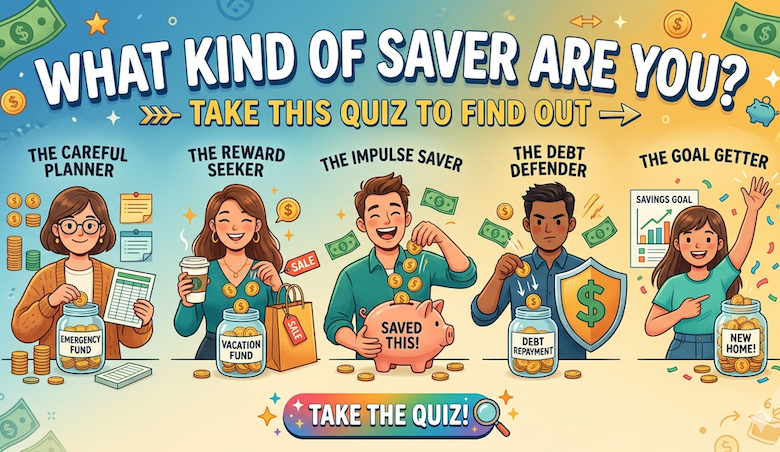
What Kind of Saver Are You? Take This Quiz to Find Out
Take This Quiz Learn How to Improve Your Savings – Get personalized tips to build better financial habits based on your quiz results. Warning signs include impulse purchases, rising debt, and hiding spending habits, which can lead to serious financial problems. Fun and Interactive – Take a quick, engaging quiz …

9 Signs You Have a Shopping Addiction (And What to Do About It)
Key Points Shopping addiction often starts with emotional spending, where people buy things to cope with stress, boredom, or sadness. Warning signs include impulse purchases, rising debt, and hiding spending habits, which can lead to serious financial problems. Breaking the cycle requires awareness, spending limits, and healthier coping habits to …