
Key Points The “Cortisol Kickstart” Mistake: Drinking coffee the moment you wake up interferes with your body’s natural cortisol spike. By waiting 60–90 minutes, you prevent the inevitable 1 PM crash and the expensive “emergency” afternoon cup that follows. The $1,300 “Convenience Tax”: Between the 18x markup at drive-thrus and …
 Daniel Desilva
The Psychological Barrier to Saving: Why Your Brain Wants You to Spend
Key Points Your brain is wired for instant rewards: Spending triggers immediate dopamine, while saving offers delayed benefits—making it naturally harder to choose. Modern spending is frictionless and emotional: Credit cards, digital payments, and emotional triggers make it easier than ever to spend without thinking. Saving requires intentional behavior—not just …
7 Micro-SaaS Ideas That Generate Passive Income While You Sleep
Key Points Micro-Niche Mastery: Success in 2026 isn’t about building “big” software; it’s about solving one specific, annoying problem for a small group (like SEO reports for plumbers) that they’ll gladly pay $29/month to automate. The $100 Launch: You no longer need a coding degree. By using no-code “wrappers” and …

Got Wandering Feet? 10 Clever Vacation Savings Hacks You’ve Never Tried
Key Points Hack Your Logistics: Save hundreds by booking split one-way tickets through cheaper hubs and using repositioning cruises as low-cost, all-inclusive transport. Unlock Local Pricing: Use a VPN to access destination-specific rates and buy local digital coupons before you leave to slash activity costs by half. Choose Experiences over …

Disability Financial Planning: What Every Family Should Know
Key Points: ➜ Disability can happen unexpectedly, so building savings, insurance protection, and a financial plan helps families stay financially stable. ➜ Medical costs, lost income, and home modifications are some of the biggest financial challenges families face after a disability. ➜ Creating an emergency fund, understanding government benefits, and planning long-term care …
 My American Savings Writers' Room
From $0 to $1,000: How I Built My Emergency Fund
Key Points: ➜ Start Small – Save small amounts regularly to build momentum. ➜ Cut One Expense – Reduce one unnecessary spending habit and redirect it to savings. ➜ Automate Savings – Use automatic transfers or extra income to grow your fund faster. A few years ago, I had no …
 Harvey Levi
International Women’s Day 2026: Why Financial Literacy Is the Key to Women’s Empowerment
Every year on March 8, the world celebrates International Women’s Day, a global moment to recognize women’s achievements and push for gender equality. The 2026 theme “Give to Gain” highlights an important idea: when societies invest in women — through education, opportunities, and financial knowledge — everyone benefits. “Give to Gain” …

The Science of Morning Habits for Health and Wealth
Most people think success begins with big decisions—major investments, career moves, or life-changing opportunities. But in reality, success often starts with something much simpler: your morning routine. Research shows that consistent daily habits play a huge role in both mental well-being and financial decision-making. According to the American Psychological Association, …

Let’s Talk About Holiday Spending: Why We Spend More Than We Plan
Key Points: » Holiday Spending Is Emotion-Driven: Family expectations, nostalgia, and social comparisons often lead to unplanned purchases. » Marketing and Social Pressure Increase Spending: Holiday deals, promotions, and gift-exchange traditions encourage people to spend more than planned. » Small Expenses Add Up Quickly: Costs like travel, food, decorations, and parties can …
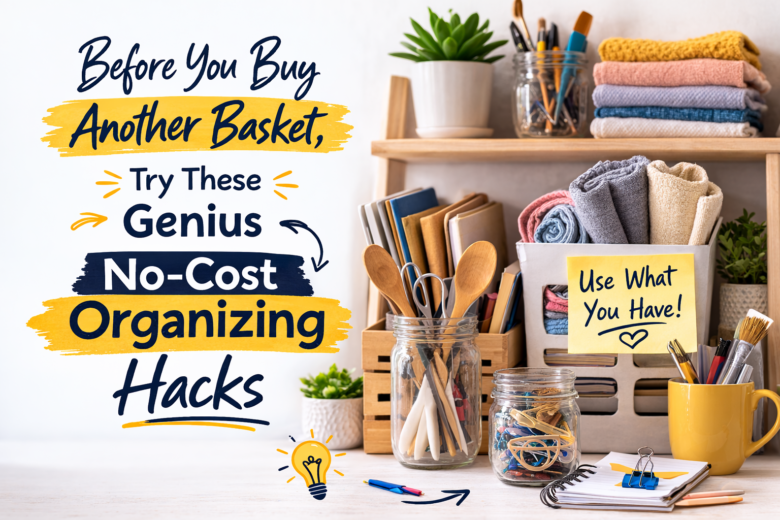
Before You Buy Another Basket, Try These Genius No-Cost Organizing Hacks
Key points Over half of U.S. households sacrifice between 100–500 square feet of living space to rarely used possessions — equivalent to losing an entire spare bedroom’s worth of value to clutter. Studies indicate that clutter in the home is associated with higher levels of cortisol, the body’s primary stress …