
Key Points Convenience spending often goes unnoticed but can quietly cost hundreds or even thousands per year. Small habits like delivery fees, subscriptions, and one-click shopping add up faster than expected. Awareness is the first step—this quiz helps you identify and control hidden spending patterns. Convenience has never been easier—or …
 Daniel Desilva
April Money Reset: A 30-Day Savings Challenge That Actually Works
Key Points Micro-Habits Overhaul: Breaks down intimidating financial goals into 30 manageable daily tasks, leveraging behavioral science to turn small wins into permanent lifestyle changes. Plugging “Money Leaks”: Targets high-impact, invisible drains like unused subscriptions and unplanned food spending, which can save the average household hundreds of dollars almost immediately. …
 Harvey Levi
I Let AI Manage My Budget for 30 Days—Here’s What Happened
Key Points AI budgeting increased monthly savings by $650 in just 30 days by reducing unnecessary spending. Real-time tracking and predictions helped control impulse spending and improve financial awareness. AI works best as a financial co-pilot, not a replacement—human decisions still matter. Why I Tried Letting AI Control My Money …

The “Dopamine Swap”: 10 Free Alternatives to Online Shopping
Key Points Online shopping triggers dopamine, which makes it addictive—but the feeling is short-lived. Replacing shopping with free “dopamine swaps” helps reduce impulse spending without feeling deprived Small habit changes can improve both your financial health and emotional well-being If you’ve ever opened a shopping app “just to browse” and …

The 48-Hour No-Spend Weekend: A Step-by-Step Guide to Resetting Your Dopamine
Key Points Break the “Hunt” Cycle: Modern retail triggers dopamine during the anticipation of a purchase, not the item’s use. A 48-hour stop allows your brain’s reward center to recalibrate, helping you distinguish between a genuine need and a temporary neurological “itch.” Silence Digital Triggers: Your phone is a gateway …

How To Use “Seasonality” To Save $1,200 On Streaming
Key Points Kill the “Inertia Tax”: Stop paying for services you aren’t actively using. Most Americans lose hundreds of dollars by keeping a subscription “just in case” or forgetting to cancel after a specific show ends. Shift to Seasonal Rotation: activate a service for 30 days to binge your favorite …

How to Prevent Your Family from Losing $10,000 in “Ghost Subscriptions” after You’re Gone
Key Points Create a “Digital Off-Switch”: Use a password manager with a Legacy Contact feature. This ensures your family isn’t locked out by two-factor authentication and can access the “Master List” of your accounts to shut down expensive services immediately. Use a “Financial Kill Switch”: Consolidate all recurring digital bills …
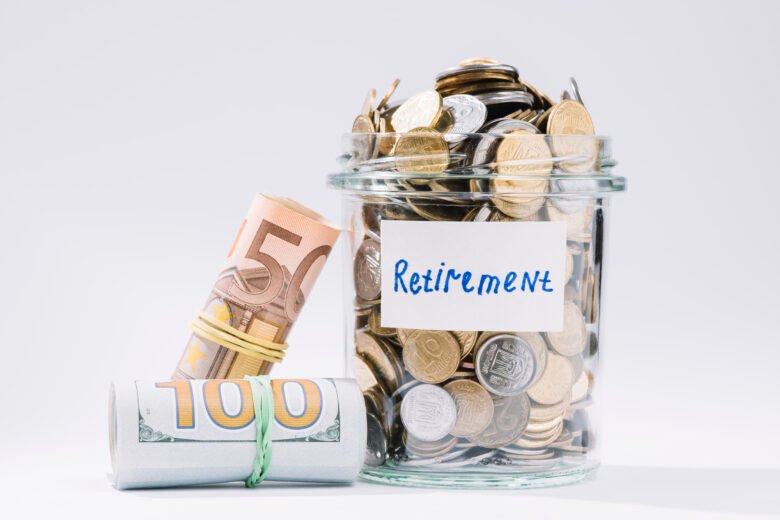
The Ultimate Guide to Retirement Savings: Building Your Future in 2026
Key Points The “Pay Yourself First” Rule: Stop trying to save what’s “left over” at the end of the month. Use Reverse Budgeting by automating your 401(k) or IRA contributions to leave your paycheck before you even see it. This removes the “willpower” struggle and forces your lifestyle to adapt …

10 Coffee Habits That Are Draining Your Energy and Your Bank Account
Key Points The “Cortisol Kickstart” Mistake: Drinking coffee the moment you wake up interferes with your body’s natural cortisol spike. By waiting 60–90 minutes, you prevent the inevitable 1 PM crash and the expensive “emergency” afternoon cup that follows. The $1,300 “Convenience Tax”: Between the 18x markup at drive-thrus and …

The Psychological Barrier to Saving: Why Your Brain Wants You to Spend
Key Points Your brain is wired for instant rewards: Spending triggers immediate dopamine, while saving offers delayed benefits—making it naturally harder to choose. Modern spending is frictionless and emotional: Credit cards, digital payments, and emotional triggers make it easier than ever to spend without thinking. Saving requires intentional behavior—not just …