
Key Points The Psychological Friction Gap: BNPL exploits a cognitive bias by breaking large costs into small, “painless” chunks, which bypasses your brain’s natural resistance to overspending and leads to “payment creep.” Regulatory “No Man’s Land”: Unlike credit cards, BNPL services often lack federal consumer protections, meaning you have fewer …

 My American Savings Writers' Room
Let’s Talk About Holiday Spending: Why We Spend More Than We Plan
Key Points: » Holiday Spending Is Emotion-Driven: Family expectations, nostalgia, and social comparisons often lead to unplanned purchases. » Marketing and Social Pressure Increase Spending: Holiday deals, promotions, and gift-exchange traditions encourage people to spend more than planned. » Small Expenses Add Up Quickly: Costs like travel, food, decorations, and parties can …
 Jessica the Saver
How Much Should You Really Spend on a Friend’s Wedding?
Key Points Wedding attendance often costs more than a gift — travel and lodging can be your biggest expenses. Set a realistic budget before RSVPing, and don’t feel pressured by social expectations. Creative gift ideas, cost sharing, and planning can help you celebrate without going broke. Weddings are joyful occasions …
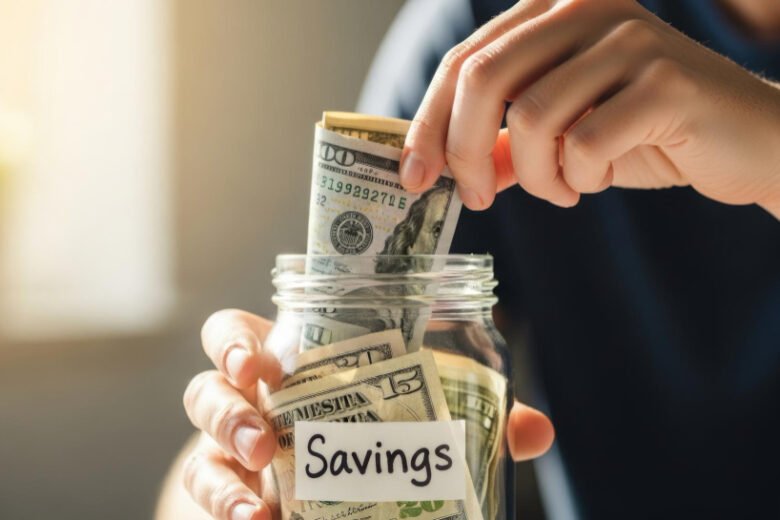
Save Something Every Day: 31 Simple March Money Moves
March isn’t just another month — it’s the perfect time to jump-start your savings, reset your budget, and build stronger financial habits before the busy spring and summer months arrive. In the U.S., consumer spending on dining, entertainment, and travel spikes in the spring, making March an ideal “last calm …

10 Easy Ways to Cut Your Electric Bill This Month (and Save Big)
Electricity costs are a major part of the average household budget — with the typical U.S. residential customer paying around $152–$170 per month for electric service, depending on state and consumption. Monthly bills have been rising in recent years as demand grows and infrastructure costs are passed on to consumers, …

Planning a Major Life Event? Try a Sinking Fund
Planning a wedding, welcoming a baby, buying a home, or funding a milestone birthday can be exciting — but the price tag often brings stress. According to the Federal Reserve, nearly 37% of Americans would struggle to cover a $400 emergency expense using cash or savings. Meanwhile, data from Experian …

How to Save Money for Debt Repayment?
American household debt hit a record $16.9 trillion at the end of 2022, up $2.75 trillion since 2019, according to the Federal Reserve. If you had to write that check it would read $16,960,000,000,000. Source: Debt.org – Americans in Debt Saving for debt repayment is more important than ever. According …
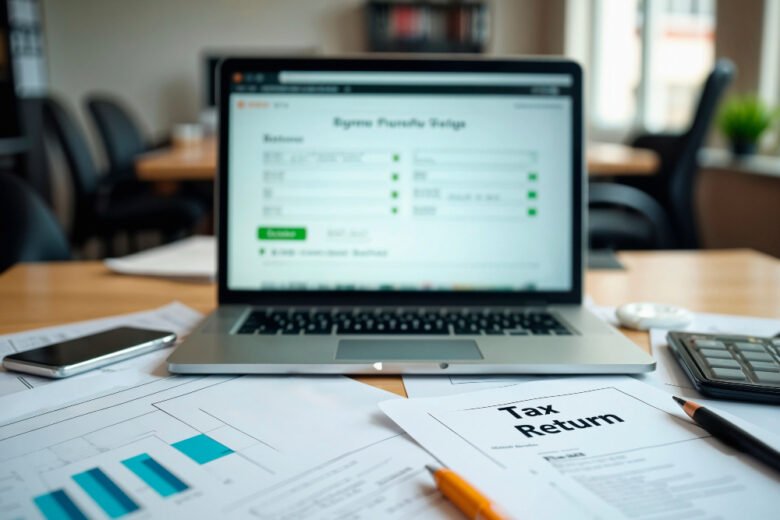
Filing Taxes in 2026? These Apps Could Save You More Than You Think
If the idea of tax season makes your stomach drop, you’re not alone. In the U.S., the modern way to prepare and file taxes has overwhelmingly shifted to digital tools — in fact, 90.5% of individual tax returns were filed electronically in 2023, and 87 million taxpayers used self-preparation software …

February on a Budget: Small Days, Big Savings
In early 2025, Americans saved around 5.1%–5.2% of their disposable income, reflecting a modest rebound from previous years. As the year progressed, the U.S. personal saving rate trended down toward ~3.5%–4.1% by late 2025, with November 2025 at ~3.5%. February may be the shortest month of the year—but that doesn’t …
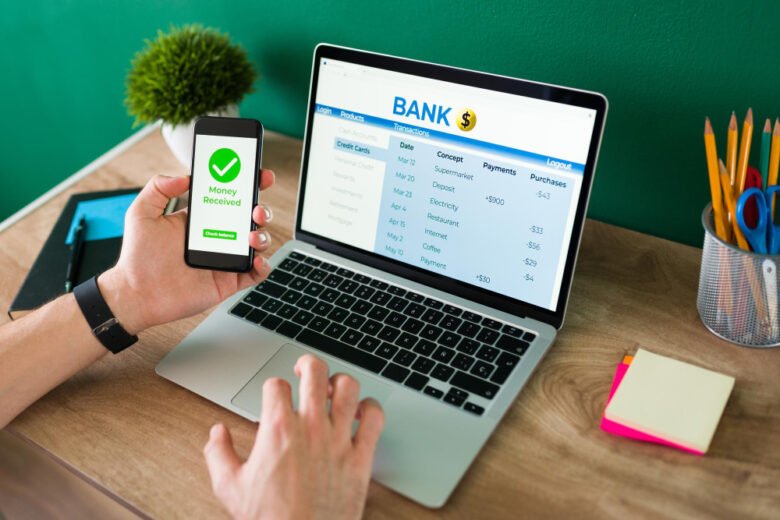
What to Do If You Have Over $1,000 in Your Checking Account
According to recent data, 40% of Americans keep $500 or less in their checking account, and only a smaller portion maintain higher balances — meaning that having more than $1,000 already puts you ahead of many households. The average checking account balance in the U.S. is about $16,891, but the …